
Grade A LiFePO4 Battery Myth: There Is No Official Standard
As a LiFePO4 battery system manufacturer, we are asked about cells all the time: which cell maker, and is it a Grade A LiFePO4 battery? For B2B buyers, especially in Southeast Asia and those with close ties to Chinese suppliers, “Grade A cells” is a phrase they have heard many times. It is far from new.
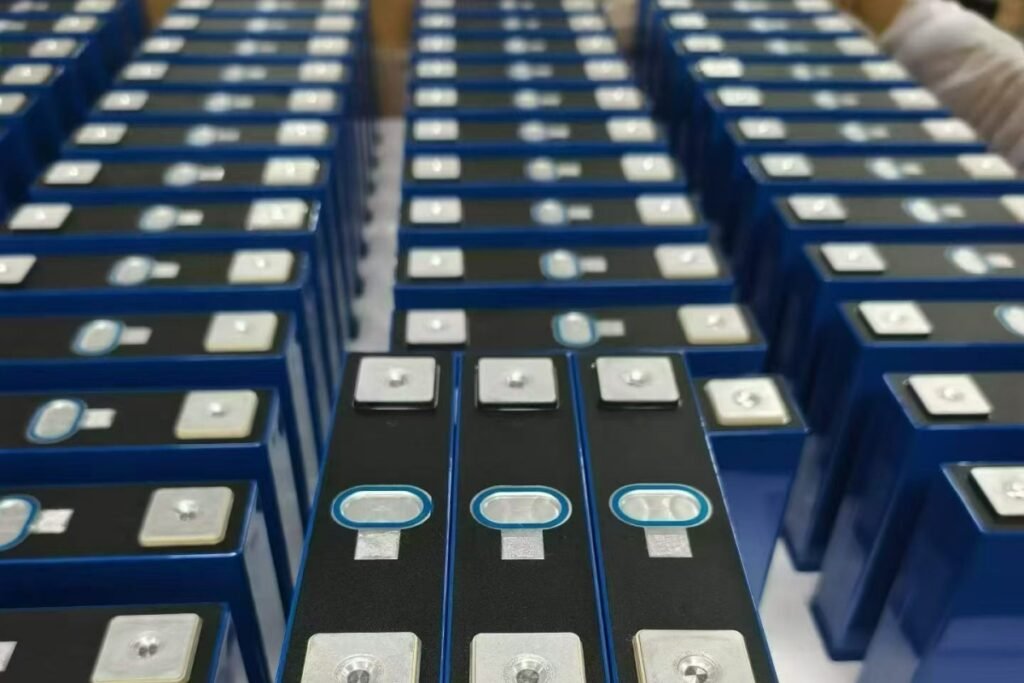
Competition is also getting tougher, and cells make up roughly 60% of a battery system’s cost, so when manufacturers cut costs, cells are the first place they look. It is no surprise that some switch to cheaper cells to hit a lower price.
Last week we toured several cell recycling businesses in Huizhou and Dongguan, where this trade is clustered. It is not exactly a grey area, but it is not fully legitimate either. What stood out most was the work itself: used battery modules heated over open fire, and cells cut apart with knives, in workshops with no protective equipment.
It also made us look again at the term we hear most: “Grade A.” Everyone uses it, but ask for a definition and you will not get a straight answer. Below we cover what we saw, where recycled LiFePO4 cells come from, whether they are all bad, why Grade A has no official definition, and how to tell good cells from bad ones.
What we saw: how a used cell becomes a “new” one
Every recycler we visited was in a quiet suburban area, in a village or village town: still close to the battery industry, but well away from its industrial centers.
Taking cells apart is a rough business. When cells are first made, they are glued to an aluminum plate for heat dissipation and glued to each other as well, so they do not come apart easily. In practice, the work goes like this:

- Heat. The aluminum plate is heated with fire so the cells can be pulled out.
- Cut. A special knife separates the cells from one another.
- Strip. The busbars are removed.
- Polish. The cells pass to another layer of suppliers for refurbishing, where machines polish the terminals.
- Clean or re-wrap. Another layer of players cleans the glue off the sides of the cells, or fits a new blue film when the original is beyond repair.
Not every step carries the same risk. Stripping busbars and polishing terminals are generally safe. Heating a used battery module over fire is dangerous, and cutting is no better: it is brute force, used to pull apart cells that were glued together on purpose. We saw both done without any protective gear.
The people doing this work know the risk. But the problem is bigger than any single workshop. In our view, the rules for recycling and repurposing LiFePO4 batteries have not kept pace with reality. An enormous number of decommissioned batteries are reaching the market, and in practice only licensed recyclers such as CATL have the capital and technology to recycle them properly. Yet licensed capacity is far from fully used, while a large share of retired packs ends up in unlicensed workshops.
And decommissioned batteries are only part of the picture. Cancelled orders, defective cells, test units and retired EV cells (more on these sources below) all need handling as well. Small workshops cannot afford that level of investment in equipment and technology, so they fall back on primitive methods, with danger at every step, to keep refurbished cells cheap enough to compete in residential and small-scale commercial systems. That is not a legitimate way to operate, and it helps explain why these workshops sit in out-of-the-way villages rather than industrial areas.
After all these steps, a cell may have passed through several separate businesses, and none of them can tell you its full history. Cleaned, polished and re-wrapped, it can look very close to new.
Where do second-hand LiFePO4 cells come from?
The sources vary more than most buyers expect. In our experience they fall into five groups:
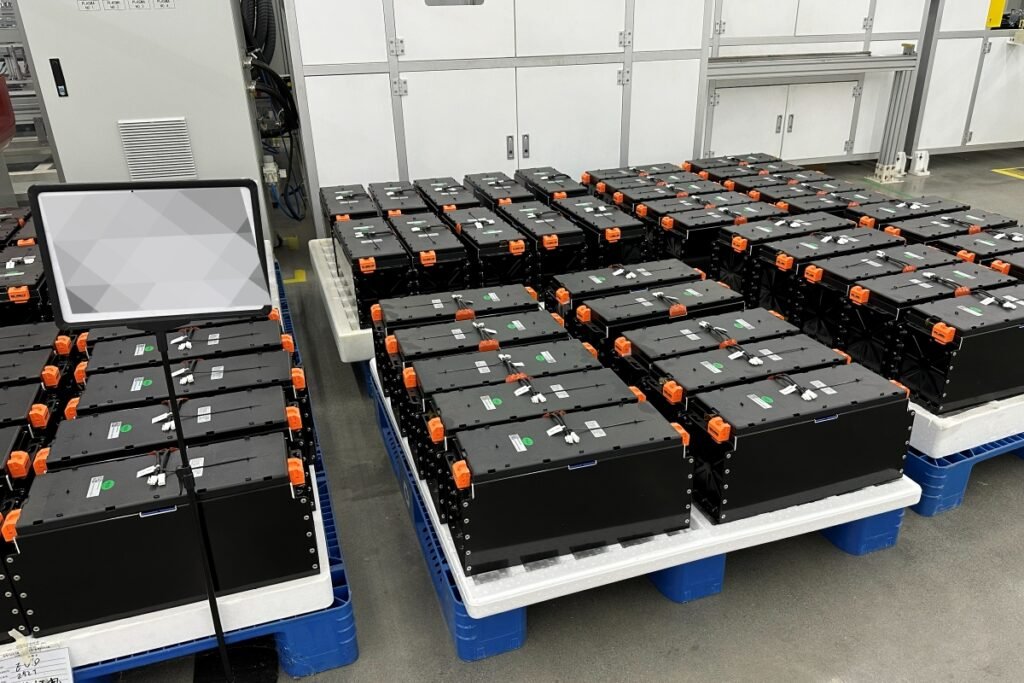
- Long-stocked cells. Cells that have sat in a warehouse for more than three months without being sold.
- Cancelled orders. Cells, modules or packs built with fresh cells, then cancelled by the customer and left in the manufacturer’s warehouse.
- Minor-defect cells. Cells that fall just below the original manufacturer’s QA standard, for example slightly lower capacity, or scratches from handling and transportation.
- Retired EV cells. Power cells taken out of electric vehicles at the end of their first life.
- Lab-test cells. Battery cabinets or containers built for a specific project, then sent for lab testing and later released.
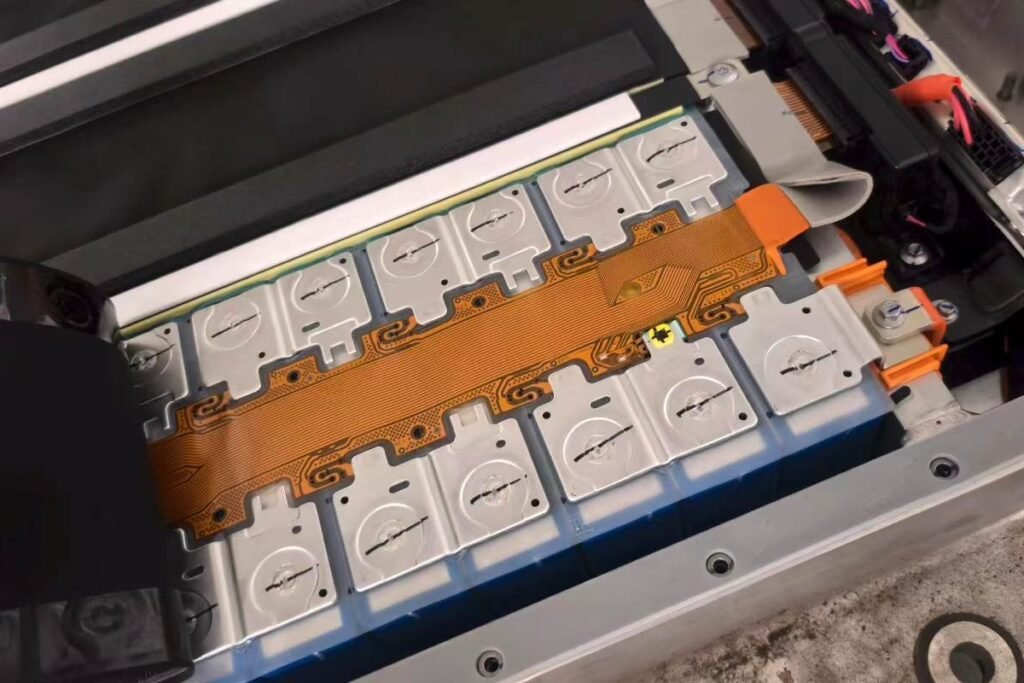
Are recycled batteries always bad?
The easy assumption is yes: second-hand means defective. The reality is more uncomfortable, because some recycled cells are better than the ones you would buy through normal channels.
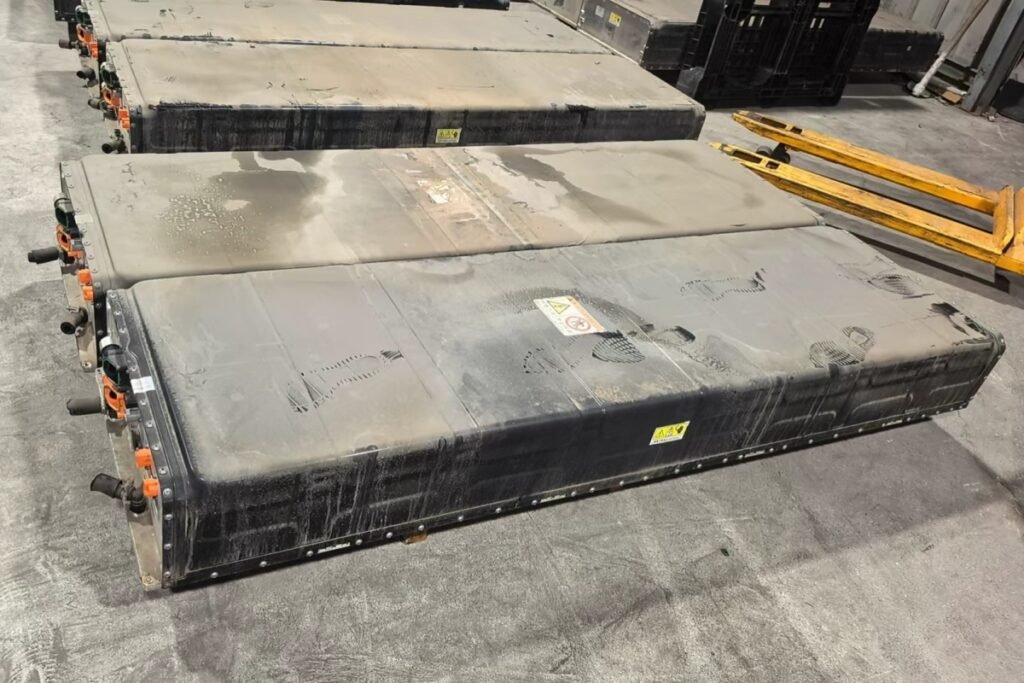
The clearest case is cells from containers or cabinets sent for lab testing. They usually come from top-tier manufacturers and tend to meet the highest standard for capacity, voltage and consistency, even when thousands of them are grouped together. Modules or packs built from fresh cells and cancelled just before delivery are another good case.
That does not make them problem-free. To reach the second-hand market, these cells pass through a chain of traders, disassembly workshops and refurbishing workshops, and each layer handles the cells in its own way. A good starting point does not guarantee a good result, so you need to check every layer, not only the original source.
The other groups are a different story. Retired EV cells, downgraded batches and long-stocked cells have to be disassembled, repurposed, tested and cycled before anyone knows what they can do. In most cases that data is simply not available, so it is very difficult to say whether they meet quality and safety standards.
So the question that matters is not “new or used?” but: can anyone prove where these cells came from and what they have been through?
What does “Grade A” actually mean?
This is the trickiest question of all. Most manufacturers say they use Grade A cells, and most of them do. But nobody can tell you exactly what a Grade A cell is.
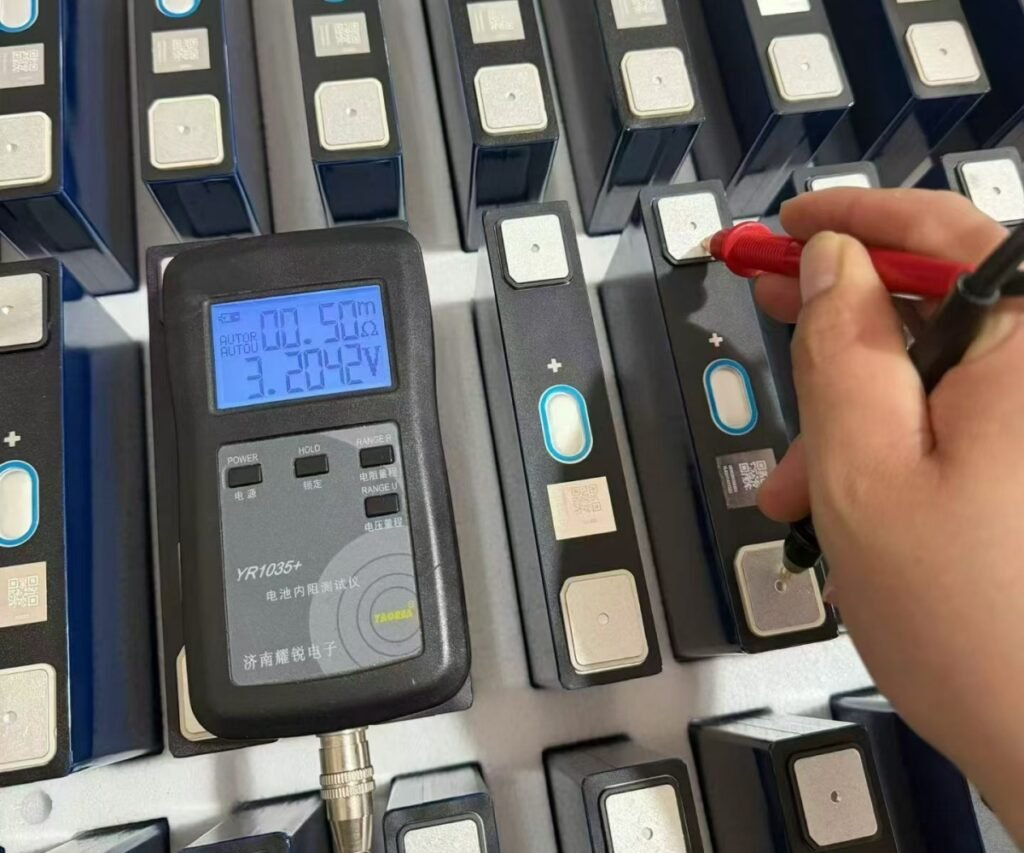
There is no parameter sheet you can cross-check. On paper, the technical specifications of Grade A, A- and B cells are the same. And grading is not shared across the industry: what one manufacturer calls A- may well be Grade A at another.
So “Grade A” is a claim, not a standard.
One characteristic does matter: batch consistency. When thousands of cells are grouped into one system, the consistency of their voltage and capacity decides how well the system balances, and that in turn decides its overall performance, stability and durability. This data is usually available from original manufacturers. A seller who cannot show it is asking you to take the grade on trust.
Which cells are good, and which are bad?
In practice, the line comes down to what you can verify.
| Good sign | Bad sign | |
| Origin | Can be confirmed back to the cell maker | Unknown or vague |
| Manufacturer | Reputable, known in the industry | Not reputable, or unnamed |
| Condition | Fresh, no visible damage | Visible defects |
| Data | Test data that meets the standard | No data available |
| Consistency | One batch, one manufacturer | Mixed batches or mixed manufacturers |
How do you separate good cells from bad ones?
The most reliable method has not changed: visit the manufacturer. Confirm where the cells come from, check their condition, and inspect the production process yourself.
When you cannot visit, ask for evidence in writing:
- The cell brand
- The cell grade, and what that supplier means by it
- Capacity data for each cell
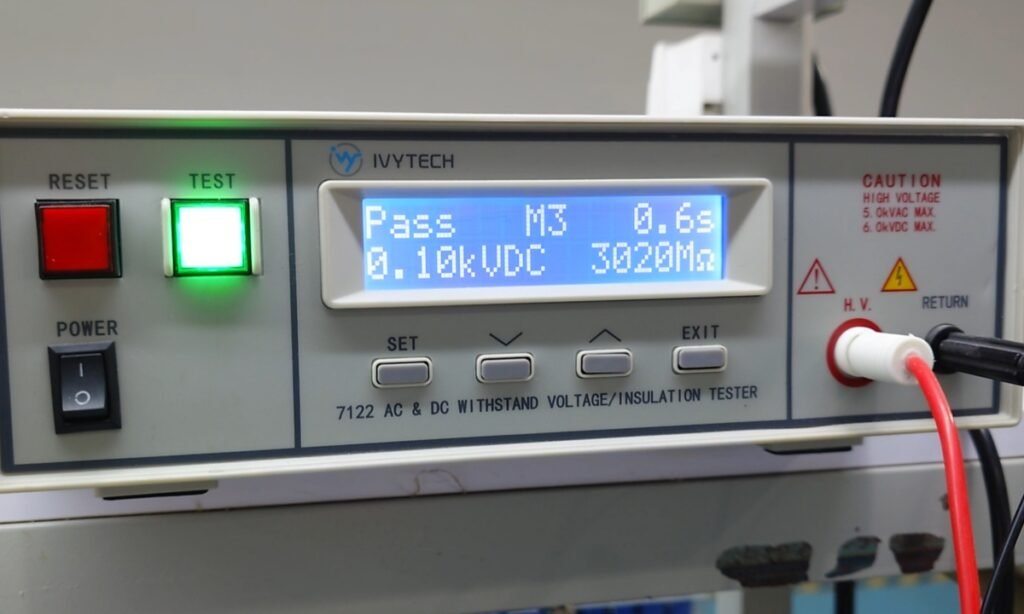
- A test report for each module or pack
- Batch consistency data (voltage and capacity spread across the batch)
A supplier with genuine, fresh cells will usually answer these without difficulty. Hesitation, or an answer that stays at “it’s Grade A,” is information too.
The takeaway
“Grade A” is not a specification you can check. It is a word a supplier chooses to use. What protects you is evidence: a confirmed origin, a named manufacturer, per-cell data, and batch consistency you can see.
Recycled cells are not automatically bad, and cells sold as new are not automatically good. What matters is whether someone can show you their history.