What Can We Expect from Next-Generation LFP Batteries?
I still remember the first time I saw fully electric cars running on the streets of Shenzhen — it was 2014, and a BYD e6 taxi caught my eye. Back then, Tesla had just started importing the Model S and Model X for the super high-end market, and it wouldn’t be until 2020, when its Shanghai Gigafactory began producing the Model 3, that electric vehicles truly crossed over from concept to mainstream alternative. Solar was the shining star of the renewable energy world. Out of curiosity, I looked up the e6’s specs: a 300km (187-mile) range. It made sense that taxi fleets, not everyday drivers, were the only takers.
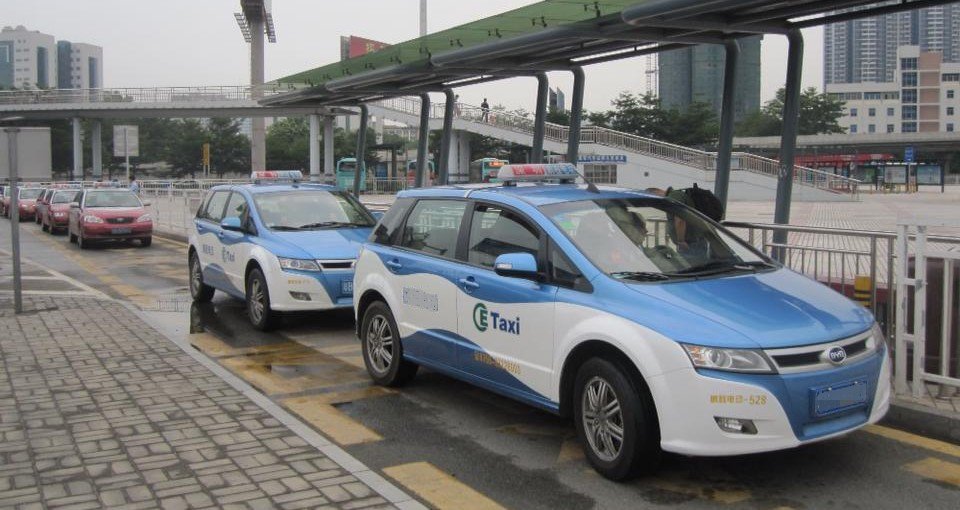
I joined the battery industry myself in 2021, and bought my first EV that same year. The reasons were simple: electrification felt inevitable, and after running the numbers, electricity costs roughly one-tenth of fuel — a difference too large to ignore over the long run. Plus, it simply drives better than my old ICE car.
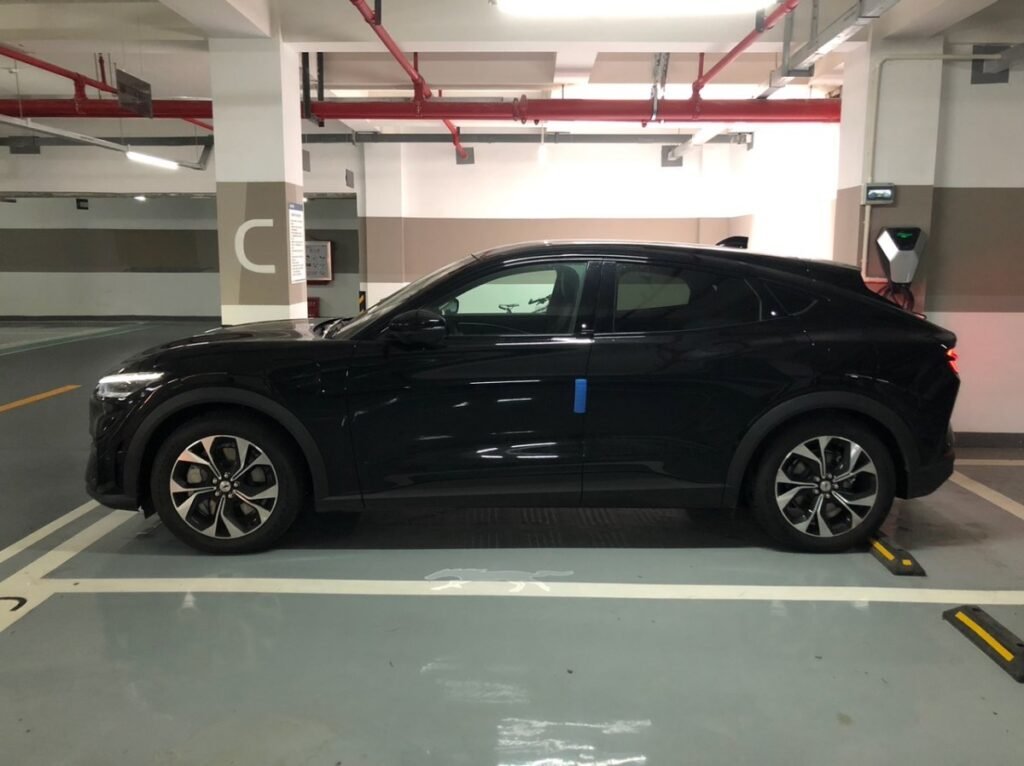
Fast forward to 2025, and 300km might as well be ancient history. Middle and high-range EVs routinely surpass that figure. Range-extended EVs (REEVs) often deliver over 300km in battery-only mode, and pure EVs like the Tesla Model Y Long Range now push past 800km (500 miles) on a single charge. The progress over one decade has been remarkable.
| Model | Year | Power | Torque | Range (CLTC) | Battery Chemistry |
| BYD e6 | 2013 | 122kW | 450N | 300km/187mi | LiFePO4 |
| Mach E | 2022 | 224kW | 430N | 619km/386mi | NCM 811 |
| Model Y | 2025 | 225kW | 440N | 821km/513mi | NCM 811 |
But this article isn’t really about those cars — it’s about what’s inside them.
A Diversifying Battery Landscape
The range improvements we’ve seen aren’t magic. They come down to energy density: technology advances that let batteries pack more power into the same space, often while reducing weight. That same technological progress has also diversified the battery ecosystem considerably.
NCM (nickel-cobalt-manganese) batteries dominate the performance end of the market, offering higher energy density, faster charging, and better cold-weather performance. LFP (lithium iron phosphate) batteries have carved out a strong position in mass-market and mid-range EVs, valued for their long cycle life, strong safety profile, and lower cost.
Meanwhile, several emerging chemistries are pushing boundaries: semi-solid-state batteries are already enabling ranges beyond 1,000km, sodium-ion batteries are finding their footing in energy storage and low-speed vehicles, and full solid-state batteries — the most anticipated technology of all — promise incomparable safety, cold-climate resilience, longer lifespans, and superior range.
As of 2025, though, each of these emerging technologies still faces real challenges. Semi-solid-state remains a niche. Sodium-ion hasn’t yet reached scale, and both cost and energy density still fall short. Full solid-state is largely still in the lab.
In the meantime, something quieter but significant is happening: the industry is shifting toward LFP.
The Quiet Rise of Next-generation LFP Batteries
LFP’s appeal has always been clear — lower cost, better safety, and a longer cycle life. What’s changed is its energy density, historically the one area where it lagged behind NCM.
By late 2025, vehicle-grade LFP cells have reached around 210Wh/kg, meaningfully closing the gap with NCM chemistries that typically sit above 250Wh/kg. And crucially, next-generation LFP batteries achieve this without sacrificing any of its core strengths.
This trajectory feels familiar — it echoes how monocrystalline solar panels gradually overtook polycrystalline during the solar boom years. A steadier, more established technology keeps improving until the trade-offs that once limited it simply disappear.
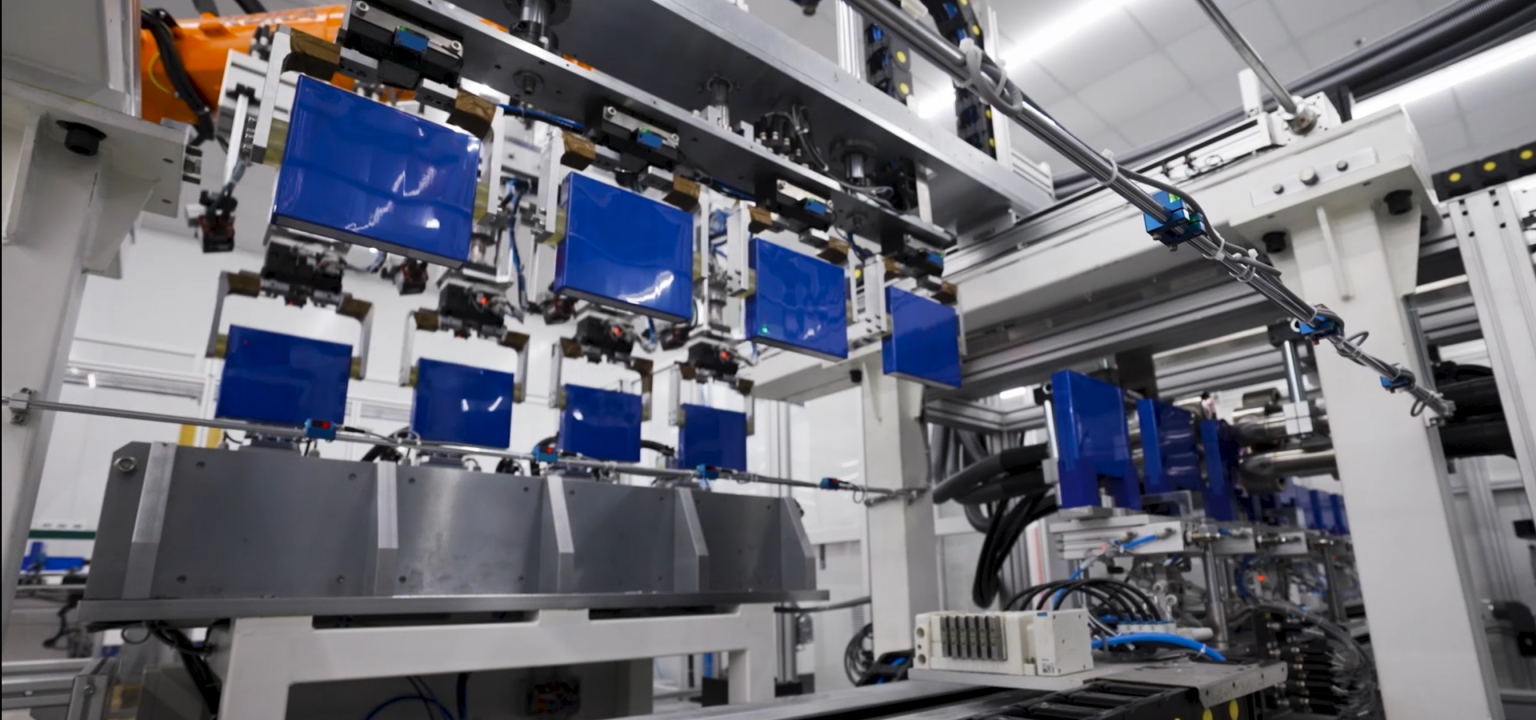
A clear signal came earlier this year, when CATL and BYD announced their latest LFP cell technologies — Shenxing Pro and Blade Battery 2.0 respectively. Both reached around 205Wh/kg, up from the traditional 150–180Wh/kg range, and both had already entered mass production and been deployed in new EV models by late 2025.
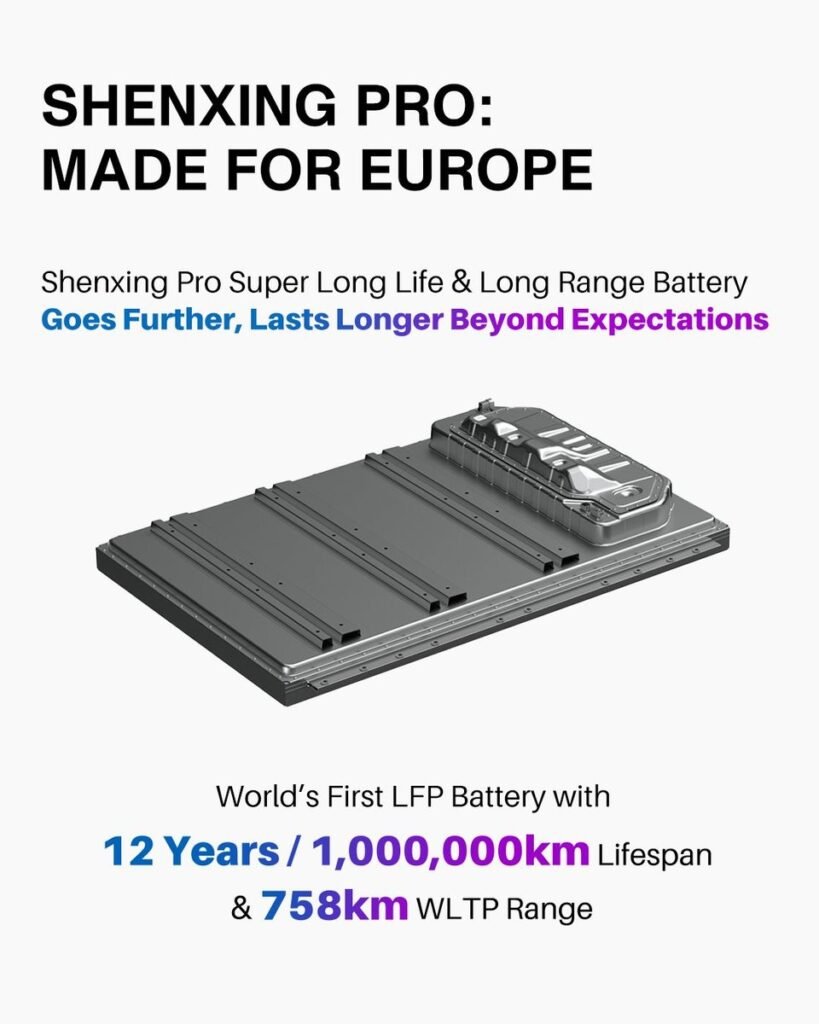
Courtesy of CATL
These gains come from several converging advances:
- Cathode and anode material innovation — new formulations that extract more capacity from the same chemistry
- Improved ion transport — through nano-coating and material doping techniques that reduce internal resistance
- Further cell-to-pack optimization — squeezing more active material into the same structural volume
None of it required compromising on safety.
What Comes Next
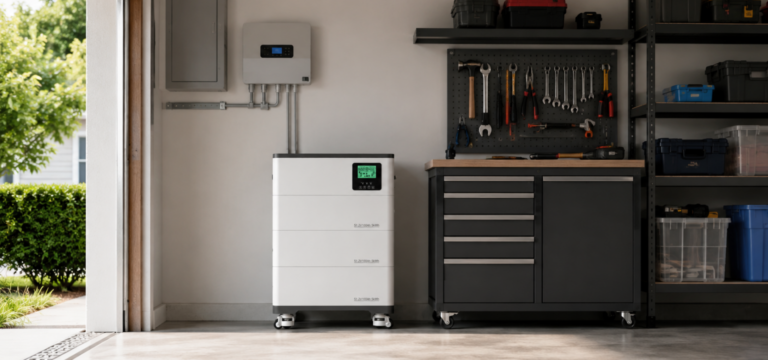
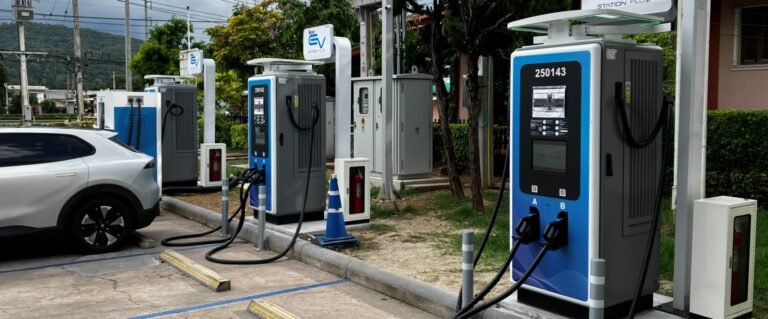
With its energy density gap narrowing and its inherent advantages intact, LFP is becoming the default choice for mass-market EVs and grid-scale energy storage alike — cheaper, safer, and now offering genuinely competitive range.
As the technology continues to mature and scale, we can expect more of the EV market to migrate toward LFP in the years ahead. The chemistry that once felt like a compromise is quietly becoming the sensible choice for most drivers — and maybe even the preferred one.