
How to Charge an LFP Battery the Right Way (It’s Not 20-80% Anymore)
For a long time, I followed one golden rule with every battery I owned: never go above 80%, never drop below 20%. It felt like common sense. Every EV owner I knew swore by it.

Then, when it comes to energy storage systems where a lithium iron phosphate (LFP) battery is used, I found out the rules don’t apply anymore. In fact, following them too strictly might be doing more harm than good.
Here’s the story of how I figured that out — and what I do differently now.
Where the 20-80% Rule Came From
Four years ago, I bought an EV with an 80kWh NCM battery. NCM (Nickel Cobalt Manganese) was the standard chemistry in most performance EVs back then, and the manual was clear:
- Charge daily between 20% and 80-90%
- Avoid sitting at 100% for long periods
- Don’t let it drain below 20%

This wasn’t just marketing caution. NCM batteries genuinely get stressed at very high and very low states of charge, and that stress adds up over time as faster degradation. So the 20-80% habit made real sense — and it stuck with me, the way habits do.
The problem is, I kept doing it even after my battery chemistry changed.
Then LFP Quietly Took Over
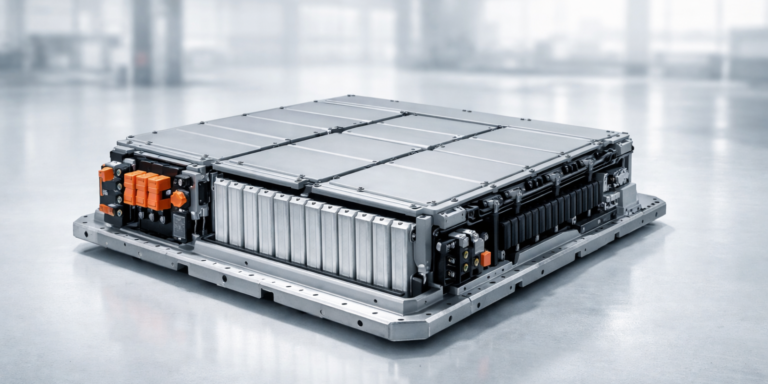
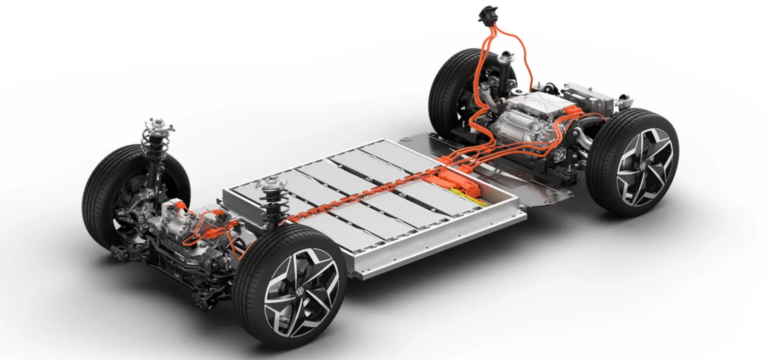
While I wasn’t paying attention, the battery world shifted. LFP batteries went from being the “budget” choice to the mainstream one. Today, they power the majority of new EVs and almost the entire home energy storage industry. The performance gap that used to justify choosing NCM has mostly closed.
I didn’t think much of this until I actually owned an LFP battery myself — and realized my old charging habits were built for a completely different chemistry.
Why 100% Isn’t Scary Anymore
This was the part that surprised me most.
LFP batteries have a much more stable chemical structure than NCM. They handle heat better, hold a flatter voltage curve, and simply don’t experience the same stress at full charge. So instead of avoiding 100%, I learned that charging to full occasionally is actually good for the battery.
Here’s why: every time you charge an LFP battery to 100%, it gives the battery management system (BMS) a chance to recalibrate. That means more accurate range readings and access to the full capacity you actually paid for. Skip this step regularly, and your battery’s reported charge level can start to drift from reality.

It’s such a different mindset that Tesla actually recommends charging some LFP models to 100% every day. Four years ago, that advice would have sounded reckless to me. Now I understand why it isn’t.
So What Should You Actually Do Day to Day?
The simplest answer: check your manufacturer’s guidance first, since it accounts for your specific battery and system.
But generally, if you’re driving an LFP-powered EV or running an LFP home battery, here’s what’s held up for me:
- Charging in the 10-90% range is completely fine for everyday use
- Charging to 100% regularly isn’t harmful
- Charging to 100% occasionally is actually good practice, since it helps with calibration
Unlike NCM, you’re not quietly wearing down an LFP battery by letting it fill up. These batteries are built to be cycled often — capping yourself at 80% out of old habit just means leaving usable range on the table for no reason.
What About Fast Charging?
I used to avoid DC fast charging whenever I could, worried it would wear the battery down faster. With LFP, that concern turns out to be mostly outdated.
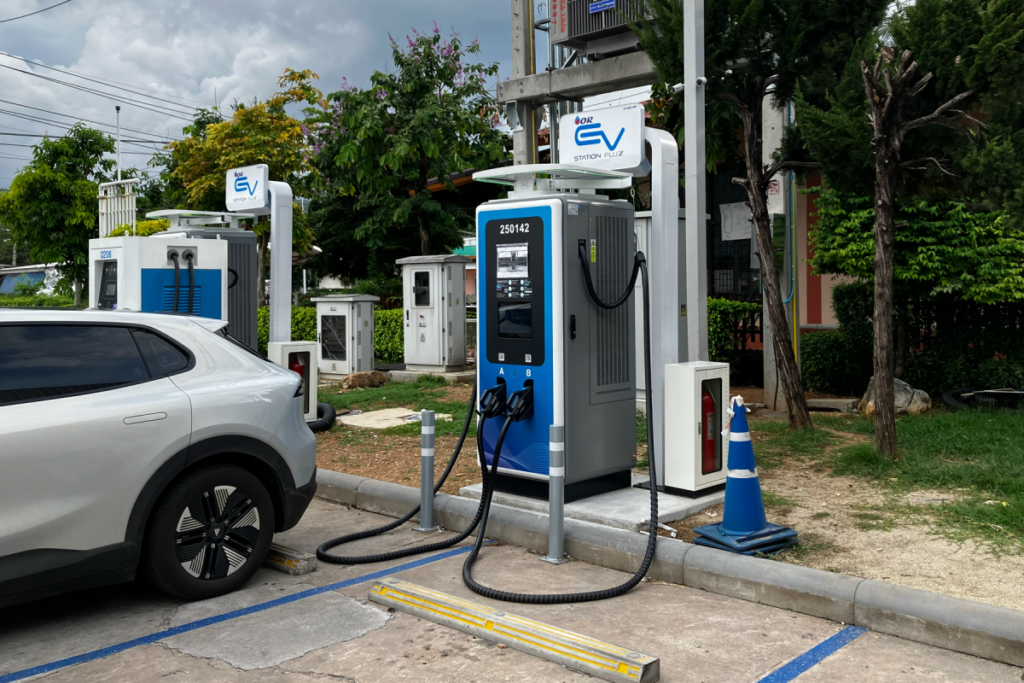
Modern LFP systems come with solid thermal management and smart charging controls that limit the strain of fast charging. Even regular fast charging only adds a small amount of extra wear in a well-engineered system. Most of the fear around fast charging comes from early battery technology — today’s packs are simply built differently.
What Actually Matters for Battery Health
Once I stopped obsessing over the 80% ceiling, I started focusing on things that actually make a difference:
- Use the range you paid for. There’s no real benefit to capping at 80% with LFP.
- Avoid extreme temperatures. Ideally, keep charging between 0-45°C (32-113°F).
- Don’t leave the battery sitting empty for long stretches.
- Follow the guidance in your manufacturer’s app and manual — it’s tuned for your exact battery setup.
Temperature and smart system design matter far more than whether you hit 100% now and then.
The Bottom Line
Switching to LFP made me realize how much of my “good battery habits” were really just leftover NCM habits. LFP batteries are more forgiving, more thermally stable, and designed to be used — not babied.
If you’re driving or storing energy with an LFP battery, you can largely let go of the old 20-80% rule. Follow what your manufacturer recommends, charge to 100% when it makes sense, and trust that the technology was built to handle it.
The rules changed. It’s worth updating your habits too.