LiFePO4 Battery Life: Can It Last 20 Years?
A typical residential LiFePO4 battery can last around 10 years, or 3,000+ charge cycles. It does not suddenly ‘die’ after this period; instead, it gradually loses capacity but can still function reliably.
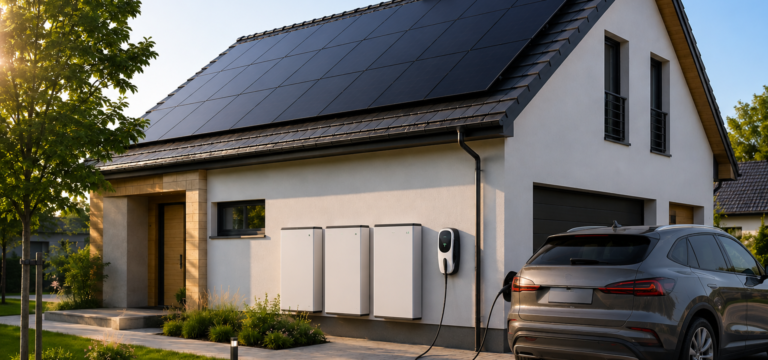
Solar power is no longer a daytime-only asset. As lucrative export tariffs expire and grids hit saturation, pairing solar PV with battery storage has become a financial necessity—maximizing self-consumption, bypassing peak electricity rates, and even powering energy-hungry AI data centers around the clock.
The global grid-scale battery market is booming, with capacity projected to surge 50% YoY to 205 GWh, fueled by market reforms, subsidy auctions, and massive utility rollouts across the US, Europe, and the Middle East.
As utility rates climb, solar batteries have shifted from a luxury to a practical investment. By enabling load shifting during peak hours and providing eco-friendly backup power, modern energy storage can drastically slash your bills and pay for itself in just a few years.
Driven by intense domestic competition, Chinese battery giants are aggressively expanding into Southeast Asia. This strategic shift leverages the region’s vast nickel reserves, lower costs, and booming EV demand to establish a massive new global production hub.
By combining building-integrated solar panels, a smart digital management system, and robot-assisted V2G technology, this innovation gives retired EV batteries a second life while actively contributing to China’s circular economy.
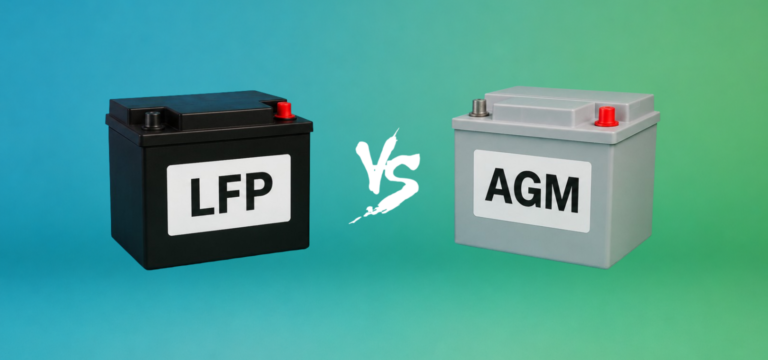
กำลังลังเลอยู่ใช่ไหมว่าควรเลือกแบตเตอรี่แบบไหนดีระหว่าง NMC และ LFP? แม้ว่า NMC จะโดดเด่นเรื่องความจุที่หนาแน่น แต่ LFP ก็ชนะขาดในเรื่องความปลอดภัยและอายุการใช้งานที่ยาวนาน มาร่วมเจาะลึกบทวิเคราะห์เชิงเปรียบเทียบที่จะช่วยคุณตัดสินใจเลือกแบตเตอรี่ที่คุ้มค่าและตอบโจทย์โปรเจกต์ของคุณมากที่สุดได้ในบทความนี้
Compare NMC and LFP lithium-ion batteries — learn how they differ in energy density, cycle life, safety, cost, and which is best for EVs and energy storage systems.
แบตเตอรี่ semi-solid state ผสานข้อดีของแบตเตอรี่ลิเทียมไอออนแบบของเหลวกับแบตเตอรี่ solid-state เข้าไว้ด้วยกัน ให้ความหนาแน่นพลังงานสูงขึ้น ปลอดภัยกว่า และชาร์จเร็วกว่า ปัจจุบันเทคโนโลยีนี้เริ่มใช้งานจริงแล้วในรถยนต์ไฟฟ้าอย่าง NIO ET7 และ MG4