
Cell Manufacturer, Pack Manufacturer, or BESS Integrator? What’s the Difference?
When sourcing lithium batteries for an energy storage project, buyers often run into terms like cell manufacturer, battery pack manufacturer, and BESS integrator — sometimes used interchangeably, even though they describe very different roles in the supply chain.
The more useful question isn’t “Does this company manufacture its own cells?” It’s: where does this company sit in the supply chain, and what does it actually control — the cell, the pack, or the complete system?

A cell manufacturer operates at a very different level of the supply chain than a pack manufacturer. Understanding that difference helps clarify what each type of company actually does, rather than judging them by label alone.
1. What Does “Battery Manufacturer” Actually Mean?
“Battery manufacturer” is a broad term. It can refer to a company that produces cells, one that buys cells and assembles packs, or one that goes further and integrates packs into complete energy storage systems. All of them may legitimately call themselves a battery manufacturer — but their manufacturing capability and position in the supply chain are very different. For buyers, it’s more useful to look past the label and ask what the supplier actually makes.
2. What Is a Battery Cell Manufacturer?
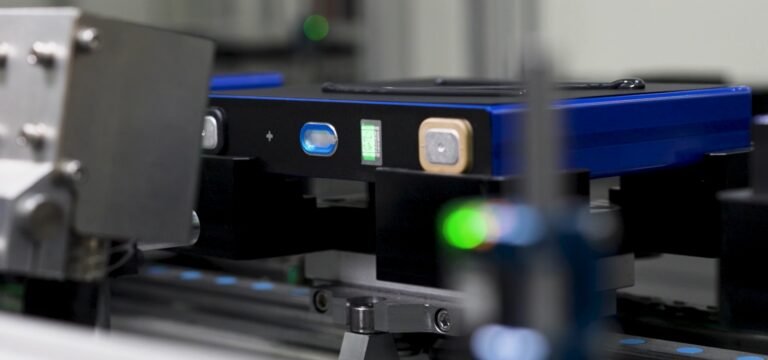
A battery cell manufacturer produces the individual cells — prismatic, cylindrical, or pouch, depending on chemistry and application — that become the building blocks of a battery pack.

Its core expertise is electrochemical and manufacturing-process based:
- Battery chemistry, cathode/anode materials, electrolyte and separator technology
- Electrode manufacturing and cell assembly
- Formation, aging, testing, and grading
- Performance and consistency control
For LiFePO4 batteries, for example, cell manufacturers develop cells with different capacities, dimensions, energy densities, discharge characteristics, and cycle-life specifications, then supply them to pack manufacturers, automotive companies, or BESS manufacturers.
Cell manufacturing sits early in the supply chain and involves processes and equipment fundamentally different from pack assembly. But cell quality alone doesn’t determine how a finished battery performs — how those cells are selected, connected, managed, and integrated matters just as much. That’s where pack manufacturing comes in.
3. What Is a Battery Pack Manufacturer?
A battery pack manufacturer starts with commercially available cells and turns them into a functional battery pack. Unlike a cell manufacturer, it doesn’t produce the electrochemical cell itself — its expertise is combining cells and other components into a safe, reliable, application-specific battery.

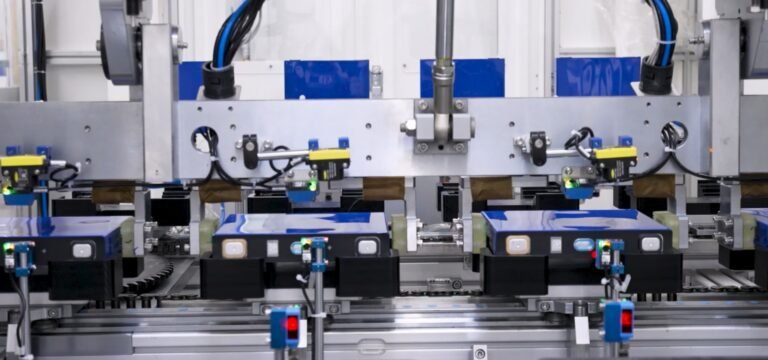
Typical pack manufacturing processes include:
- Cell inspection, sorting, grouping, and matching
- Busbar installation and cell welding
- Electrical connection and EL/other inspection
- BMS installation, temperature and voltage sensing
- Mechanical assembly, wiring, and connectors
- Functional and communication testing
Depending on the application, the pack may also include thermal management — natural or forced-air cooling for smaller residential batteries, up to liquid cooling for larger systems.
On the BMS: in practice, most pack manufacturers don’t design their own BMS from scratch. BMS development is a mature, software- and power-electronics-driven business in its own right, distinct from pack manufacturing. Pack manufacturers typically operate as OEM/ODM suppliers, and the BMS platform used is often specified — or jointly decided — by the client, frequently the BESS integrator, rather than developed independently by the pack manufacturer.
So pack manufacturing is not simply “buy cells, connect them, add a BMS, put it in a box.” A reliable pack still requires real electrical, mechanical, thermal, and integration engineering — cell matching, electrical architecture (busbars, fuses, contactors, wiring), BMS configuration and communication with the inverter/PCS, thermal design, and testing/QC across welding quality, insulation, protection functions, and final performance.
4. What Is an BESS Integrator?
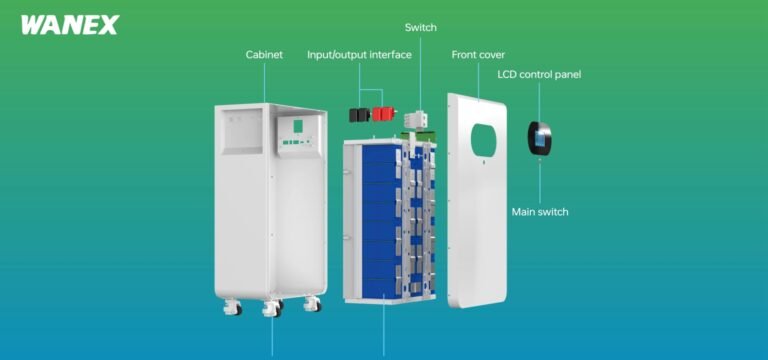
A BESS integrator works at a broader level, combining the battery pack with other components into a complete energy storage system — potentially including battery racks, PCS/hybrid inverter, EMS, protection equipment, fire suppression, thermal management, communications, and enclosure.

An integrator doesn’t necessarily manufacture every component in-house. It’s common to source cells from a cell manufacturer, an inverter from an inverter maker, and a fire suppression system from a specialist supplier, then design, assemble, test, and commission the complete BESS. System integration capability is therefore just as important as component manufacturing when evaluating a complete BESS solution.
5. Cell Manufacturing vs. Pack Manufacturing vs. BESS Integration
| Cell Manufacturer | Battery Pack Manufacturer | BESS Integrator | |
| Main product | Battery cells | Battery packs | Complete BESS |
| Core expertise | Cell chemistry & manufacturing | Pack engineering & assembly | System engineering & integration |
| Cell production | In-house | Usually purchased | Usually purchased |
| BMS | Cell testing/management | Installed; often client/integrator-specified | BMS + system communication |
| Mechanical design | Cell | Pack/enclosure | Complete system |
| Thermal management | Cell-level | Pack-level | System-level |
| PCS / inverter | Usually no | Usually no | Yes |
| Fire protection | No | Usually limited | Often integrated |
| Final testing | Cell testing | Pack testing | Complete system testing |
These roles aren’t always cleanly separated — a larger manufacturer may span several levels, purchasing cells, assembling packs in-house, and integrating them with inverters into complete BESS products. That’s why actual capability matters more than the label a company uses.
Conclusion: Look Beyond the Label
A cell manufacturer controls the cell and its underlying electrochemical technology. A battery pack manufacturer takes cells and turns them into a functional battery through matching, electrical/mechanical design, BMS integration, and testing — typically as an OEM/ODM working within a BMS platform the client or BESS integrator has specified. An BESS integrator takes that battery and combines it with inverters, EMS, protection, and communications to deliver a complete energy storage solution.
Knowing where each company’s responsibility begins and ends is what lets buyers evaluate a supplier on capability, not just title.