Dying EV Batteries Power a Circular Economy
China has unveiled the world’s first zero-carbon building that combines solar power, retired electric vehicle (EV) batteries, and cutting-edge digital technologies. This innovation not only...

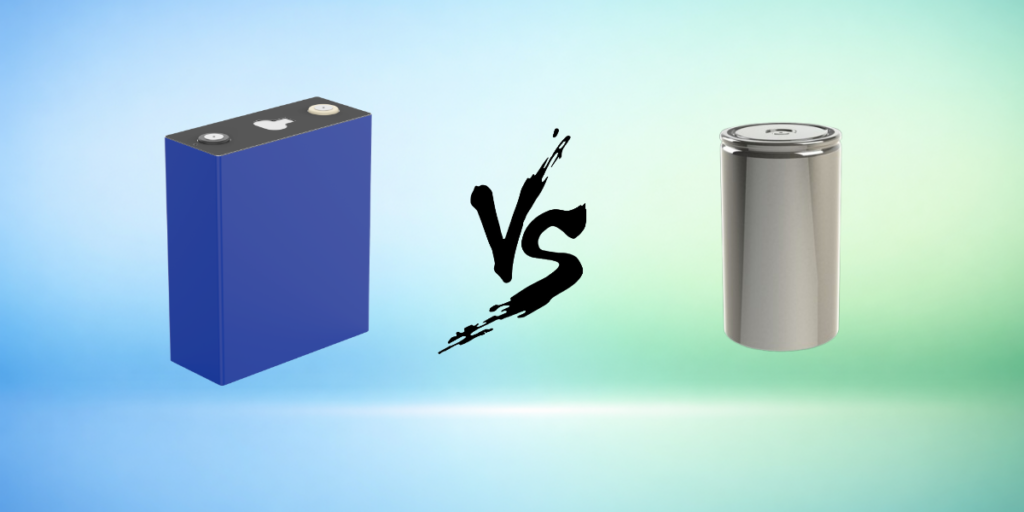
Batteries now sit at the center of modern life. They power our cars, store electricity for our homes, keep our devices alive all day, and quietly stand by when the grid goes down.
When people talk about lithium batteries, two names come up again and again: NMC and LFP. These are the two dominant lithium-ion battery chemistries today, and while they often get reduced to spec sheets and charts, the real differences only become obvious when you actually live with them.
I’ve spent years working in the battery industry, and I’ve also driven an EV long enough to see how theory and reality don’t always line up.
After the Covid-19 lockdowns, life slowly returned to something close to normal. In the battery industry, the changes were obvious. Outdoor activities like camping and long-distance self-driving trips became hugely popular among younger generations, driving demand for large battery packs and portable power solutions.
At the same time, the 2021 European energy crisis triggered a massive surge in energy storage demand. Incentive schemes pushed battery deployment everywhere—China, Europe, the U.S., and many other regions focused on energy diversification and grid resilience. Chinese-made batteries, especially LFP, boomed in 2022.
Meanwhile, LFP batteries were on the edge of large-scale adoption in EVs in China, mainly due to aggressive pricing. That was also when I bought my first electric car.
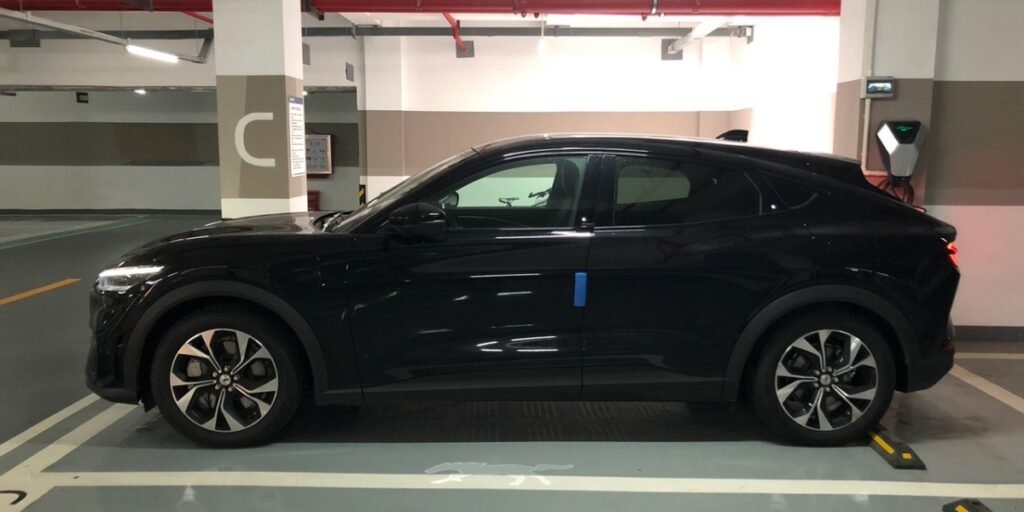
As someone working in batteries, I faced a familiar dilemma.
I knew all the pros and cons of both chemistries very well. Still, I chose the Mach-E. At the time, the decision came down to price and performance—the NMC version was about USD 3,000 cheaper, and it simply felt more exciting to drive.
Back then, LFP had a clear image problem. It was widely seen as:
High performance and LFP rarely appeared in the same sentence.
Jump to 2026, and the picture looks very different.
LFP technology has made remarkable progress, especially in areas that used to be its weaknesses:
The energy density gap with NMC still exists, but it’s much smaller now. In China, most mainstream EVs equipped with LFP batteries easily reach 500–600 km under CLTC testing. That would have sounded unrealistic just a few years ago.
After more than three and a half years of driving my NMC-powered EV, I’ve learned something that spec sheets don’t tell you clearly.
Most NMC EVs recommend charging between 20% and 80%, or at most 90%, for daily use. This is to reduce high-voltage stress on the cathode and electrolyte, which accelerates degradation. Regularly charging to 100% does more harm to NMC packs than many owners realize.
My own routine was:
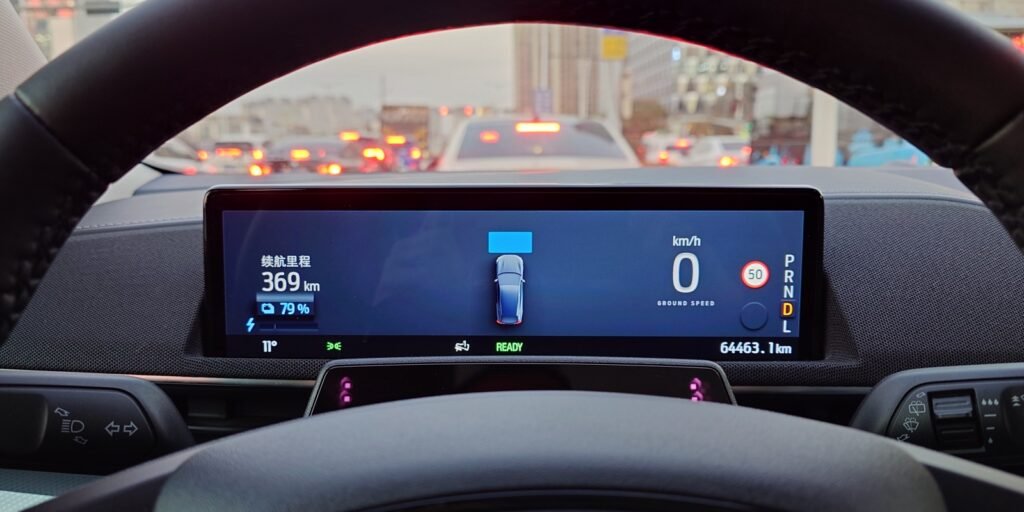
In real life, this meant my usable daily range was only about 60–70% of the advertised range. For a car rated at 619 km CLTC, my daily driving range often felt closer to 330 km. On highways, even at 100%, real range usually landed between 380 and 420 km, depending on the season.
It’s not terrible—but it’s a big gap between marketing numbers and daily reality.
LFP batteries tell a very different story.
Manufacturers like Tesla, BYD, and Ford often recommend charging LFP batteries to 100% regularly, sometimes even weekly. This isn’t just allowed—it’s encouraged—for proper BMS calibration and accurate state-of-charge readings.
Thanks to LFP’s stable chemistry:
Many Tesla LFP owners report minimal degradation after 100,000+ miles. The key advantage here is simple but powerful: you can use the full rated range every day without much worry.
That alone changes the ownership experience.
NMC stands for Nickel, Manganese, and Cobalt, the three metals used in the cathode. You’ll often see names like NMC811, NMC622, or NMC523. These numbers represent the ratio of nickel, manganese, and cobalt.
For example:
There’s also a close cousin called NCA, which replaces manganese with aluminum.
Each metal plays a specific role:
This mix gives NMC batteries:
The trade-offs are clear:
LFP stands for Lithium Iron Phosphate. It avoids nickel, cobalt, and manganese entirely, using phosphate as the cathode material.
Compared to NMC, LFP offers:
The downsides are well known:
These opposing characteristics explain why each chemistry shines in different applications.
NMC batteries dominate where performance and compact size matter:
LFP batteries excel where longevity, safety, and cost matter most:
This is also why LFP has become the default choice for energy storage systems. When a battery is expected to sit there for 10–15 years, cycle daily, and never catch fire, LFP simply makes more sense.
If I had to summarize it simply:
Both chemistries are essential. Neither is “better” in every scenario. As battery technology keeps evolving, we won’t see one replace the other—but rather, each finding its place as the world continues to electrify.
And as someone who has lived with NMC and watched LFP grow up, I can say this much: the gap between them is smaller than ever—and shrinking fast.
 by
by