How Does an Energy Storage System Work?
Energy storage systems (ESS) are transforming how we manage electricity, enabling a smarter and more efficient way to harness renewable energy. In this blog, we’ll...

When it comes to electric vehicles (EVs) and energy storage systems (ESS), you’ll often come across two terms: NCM and LFP. These refer to two major types of lithium-ion battery technologies, each with unique strengths and trade-offs.
So, what exactly are NCM and LFP batteries, and how do they compare? Let’s break it down.
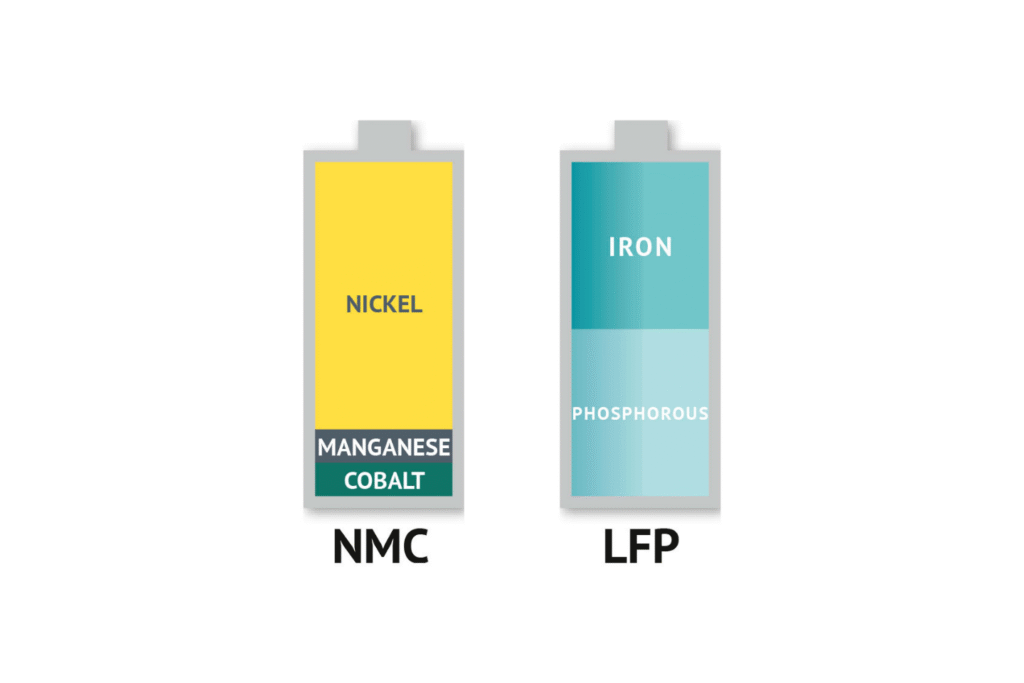
What Are NCM Batteries?
NCM stands for Nickel-Cobalt-Manganese—a type of lithium-ion battery that uses these three metals in its cathode. Common variants include:
The composition ratios are optimized depending on the performance requirements, such as higher energy density, safety, or cycle life.
Why These Metals?

Nickel: Increases energy density, allowing the battery to store more energy in the same space.
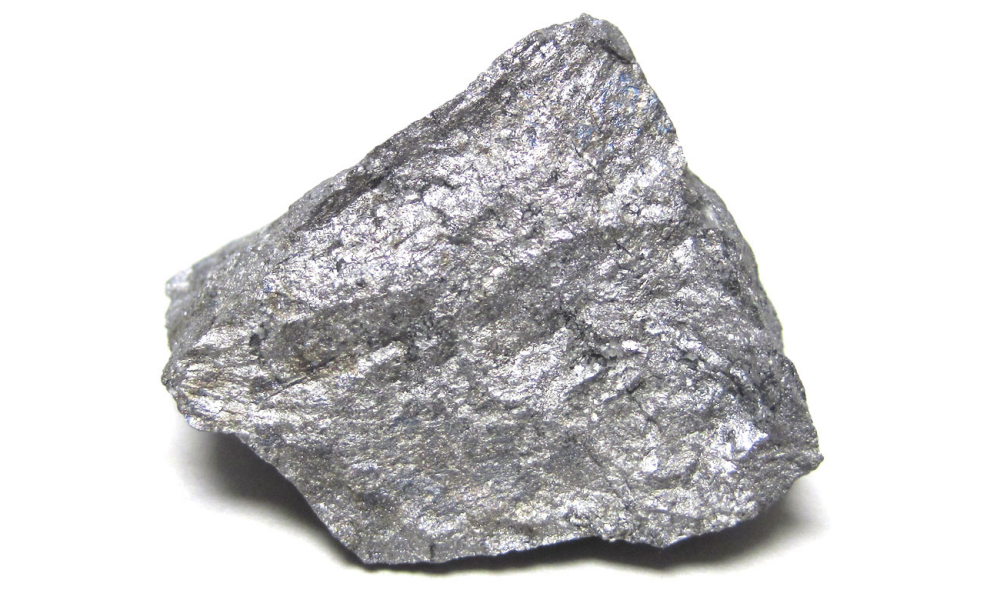
Cobalt: Provides structural stability and enhances voltage, though it is expensive and supply is limited.
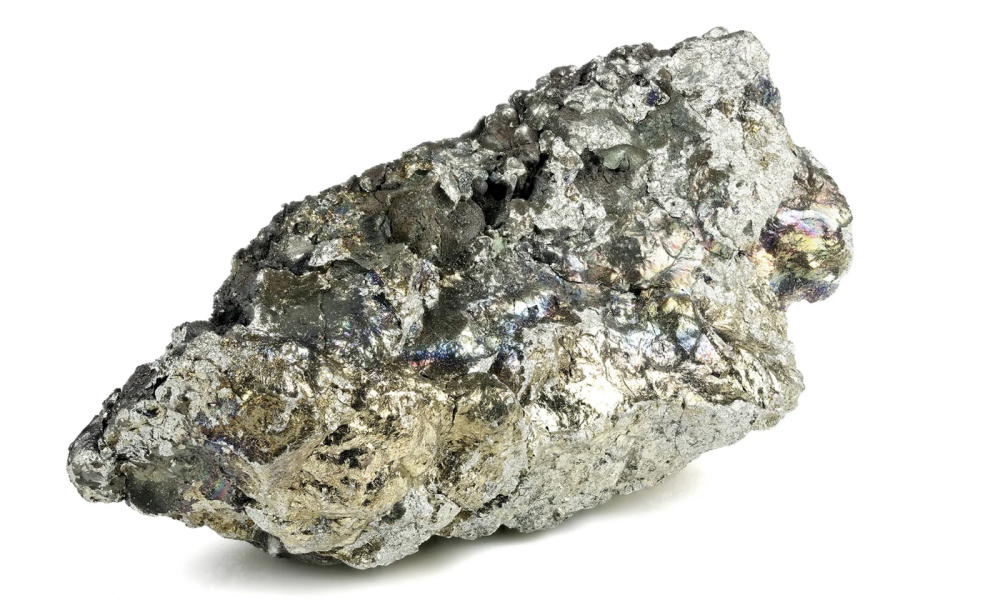
Manganese: Improves safety and stability by reducing the risk of overheating (thermal runaway).
Advantages of NCM Batteries
Disadvantages of NCM Batteries
What Are LFP Batteries?
LFP stands for Lithium Iron Phosphate, a battery that uses phosphate as the cathode material. Unlike NCM, it does not rely on expensive metals like cobalt or nickel.
Advantages of LFP Batteries
Disadvantages of LFP Batteries
NCM vs LFP: Which One Should You Choose?
Both NCM and LFP batteries serve different purposes:
Conclusion
There’s no one-size-fits-all answer to the NCM vs LFP debate. Your choice depends on what matters most: power and performance (NCM) or safety and longevity (LFP). As battery technology continues to evolve, both types will play critical roles in shaping the future of electric mobility and energy storage.
 by
by