Dying EV Batteries Power a Circular Economy
China has unveiled the world’s first zero-carbon building that combines solar power, retired electric vehicle (EV) batteries, and cutting-edge digital technologies. This innovation not only...

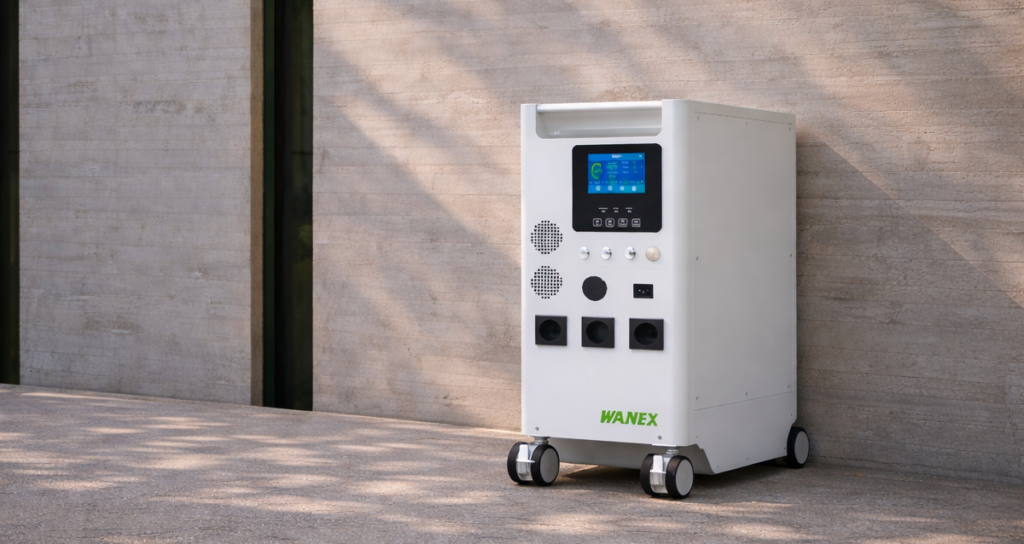
Choosing a home battery — often called a residential energy storage system — sounds simple at first. But once you start looking, you’re quickly faced with dozens of brands, different system designs, and unfamiliar technical terms. For anyone who isn’t already in the battery or inverter business, it can feel overwhelming.
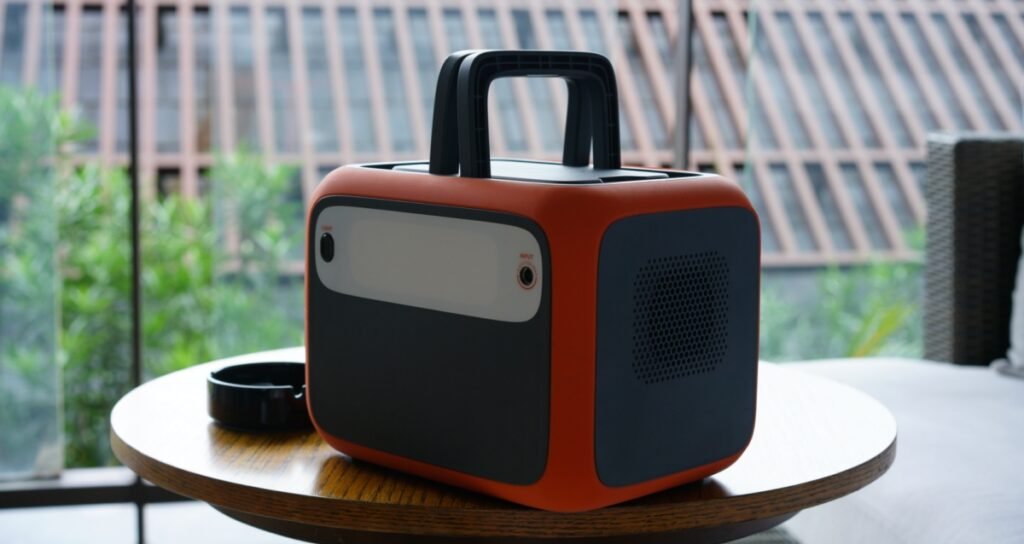
Interestingly, I didn’t own a home battery myself for a long time. Where I live, the power supply is extremely stable. Blackouts are rare, and electricity prices are still quite affordable. What I did own, though, was a small 1 kWh portable power station. I use it during long-distance drives — to charge my laptop, phone, and even do some simple cooking. That small experience was enough to show me the value of stored energy when you actually need it.
Where our business operates — mainly across Southeast Asia, in countries like Vietnam, Indonesia, and Thailand — the situation is very different. Power outages are more common, grid stability varies by region, and in some markets, national policies actively encourage energy storage for solar self-consumption, peak shaving, or energy arbitrage.
Which naturally brings us to the first and most important question.
Why Get a Home Battery?
People don’t buy home batteries for just one reason. In practice, it’s usually a mix of benefits:
Once reliability and economics enter the picture, home batteries stop being a “nice-to-have” and start making real sense.
Major Home Battery Options Today
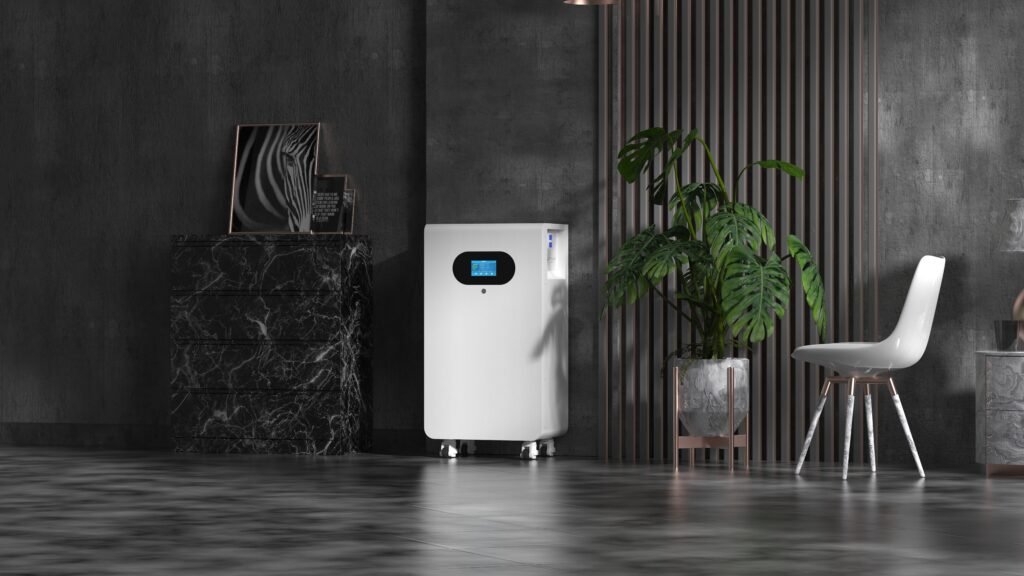
In Europe and the United States, a few well-known brands dominate the residential market. Tesla’s Powerwall is often the first name people recognize — and for good reason. It’s well designed, easy to use, and tightly integrated. But it’s also expensive. A typical 13.5 kWh Powerwall system, fully installed, can easily exceed USD 10,000.
Other established brands like LG, Enphase, Sonnen, and Generac offer reliable alternatives, but pricing remains high across the board.
In Asia, the picture looks different. Many home battery systems are manufactured in China and are significantly more affordable — without necessarily compromising on safety or quality. Unlike many consumer products, batteries are electrochemical systems classified as hazardous goods. Safety and reliability are non-negotiable, regardless of where they are made.
That said, there are some clear philosophical differences in how systems are designed.
Design Philosophy: Integrated vs Flexible
High-end Western brands often favor all-in-one systems. The battery, hybrid inverter, control electronics, and monitoring software are bundled into a single cabinet. Solar PV connections are ready out of the box, and compatibility is usually limited to specific inverter ecosystems. This approach delivers a smooth user experience and polished apps — but it also increases cost and limits flexibility.
Many Asian manufacturers, including ourselves, take a different approach. We focus on low-voltage battery systems designed specifically for residential use. Low-voltage systems are more mature, inherently safer, and generally more cost-effective for homes. Instead of locking users into one ecosystem, these batteries are designed to be compatible with most major off-grid and hybrid inverters.
From real-world experience, most homeowners and installers care less about fancy interfaces and more about one simple question: Does it reliably store energy and deliver it when needed? Flexibility, serviceability, and cost control often matter more than software polish.
Battery Chemistry: LFP vs NMC
If there’s one area where the market has largely settled, it’s chemistry.
In 2026, the advice is simple: choose LFP. It’s no longer a premium option — it’s the default.
Key Specifications That Actually Matter
You don’t need to understand everything, but these terms are worth knowing:
How Much Battery Do You Need?
As a rough guide:
Sizing is always a balance between budget, comfort, and how long you want power during an outage.
Costs and Payback
In mature markets like the U.S., installed home battery systems typically cost around USD 1,000–1,500 per kWh before incentives. With tax credits or subsidies, that number can drop significantly.
Payback periods vary widely — anywhere from 6 to 12 years — depending on electricity prices, outage frequency, and how well the system is used.
Features Worth Paying Attention To
Final Thoughts
Home batteries are no longer experimental products. They’re mature, safe, and increasingly practical — especially if you have solar, experience unstable power, or face high electricity prices.
There’s no single “best” system for everyone. The right choice depends on how you use energy, how flexible you want your system to be, and how much control you want over long-term costs. Understanding these fundamentals puts you well ahead of most buyers — and helps ensure the system you choose actually works for your home.
 by
by