Battery Energy Storage System Explained: Applications, Benefits & ROI
Learn how battery energy storage systems (BESS) work, their key applications, benefits, and how businesses evaluate ROI for energy storage investments.

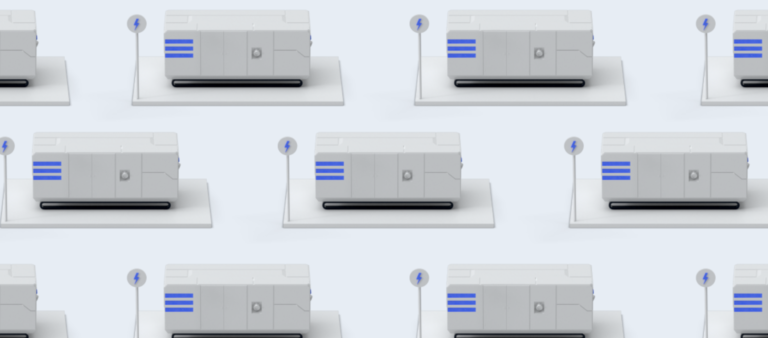
Learn how battery energy storage systems (BESS) work, their key applications, benefits, and how businesses evaluate ROI for energy storage investments.
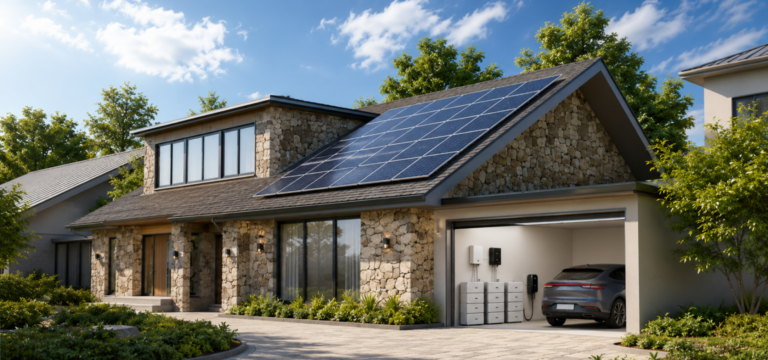
Solar power is no longer a daytime-only asset. As lucrative export tariffs expire and grids hit saturation, pairing solar PV with battery storage has become a financial necessity—maximizing self-consumption, bypassing peak electricity rates, and even powering energy-hungry AI data centers around the clock.
The global grid-scale battery market is booming, with capacity projected to surge 50% YoY to 205 GWh, fueled by market reforms, subsidy auctions, and massive utility rollouts across the US, Europe, and the Middle East.
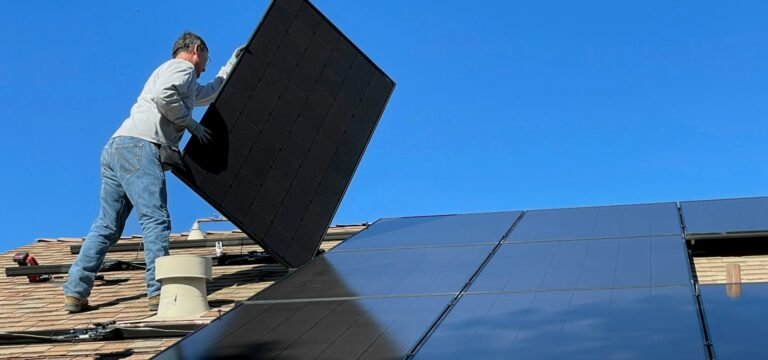
As utility rates climb, solar batteries have shifted from a luxury to a practical investment. By enabling load shifting during peak hours and providing eco-friendly backup power, modern energy storage can drastically slash your bills and pay for itself in just a few years.

Driven by intense domestic competition, Chinese battery giants are aggressively expanding into Southeast Asia. This strategic shift leverages the region’s vast nickel reserves, lower costs, and booming EV demand to establish a massive new global production hub.