Dying EV Batteries Power a Circular Economy
China has unveiled the world’s first zero-carbon building that combines solar power, retired electric vehicle (EV) batteries, and cutting-edge digital technologies. This innovation not only...

As 2025 came to a close, one milestone sent a clear signal to the global EV industry: BYD overtook Tesla to become the world’s largest electric vehicle manufacturer, selling approximately 2.26 million EVs in a single year.
This rapid growth is no coincidence. A major driver behind BYD’s success is affordability—and at the heart of that affordability lies lithium iron phosphate (LFP) battery technology.
Once considered a lower-tier chemistry, LFP batteries have evolved at an astonishing pace. Today, they are reshaping not only the entry-level EV segment, but increasingly the entire electric vehicle market.
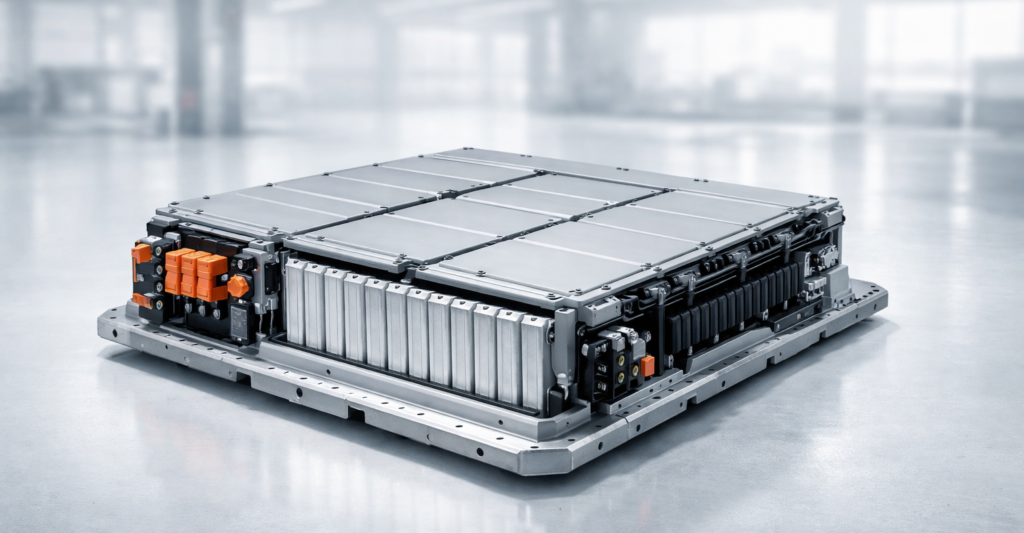
One of the most notable developments came from CATL, which recently announced its next-generation LFP battery achieving energy densities of up to 205 Wh/kg.
This represents a significant leap forward, sharply narrowing the gap with high-nickel NCM batteries—long regarded as the benchmark for high energy density.
What makes this breakthrough more compelling is that it comes without sacrificing LFP’s traditional strengths, including:
In just a few years, LFP technology has advanced from a “budget option” to a highly competitive solution, even challenging NCM batteries in applications once thought out of reach.
Historically, LFP batteries dominated entry-level and mid-range EV models, while premium vehicles relied heavily on NCM chemistries for maximum driving range.
That divide is quickly fading.
With higher energy density, better cold-weather performance, and faster charging, LFP batteries are now appearing in higher-end EV models, including long-range versions and fleet-oriented premium vehicles where safety and durability are critical.
This shift marks a major turning point: LFP is no longer just “good enough”—it is becoming strategically superior for many use cases.
The numbers clearly reflect this transition.
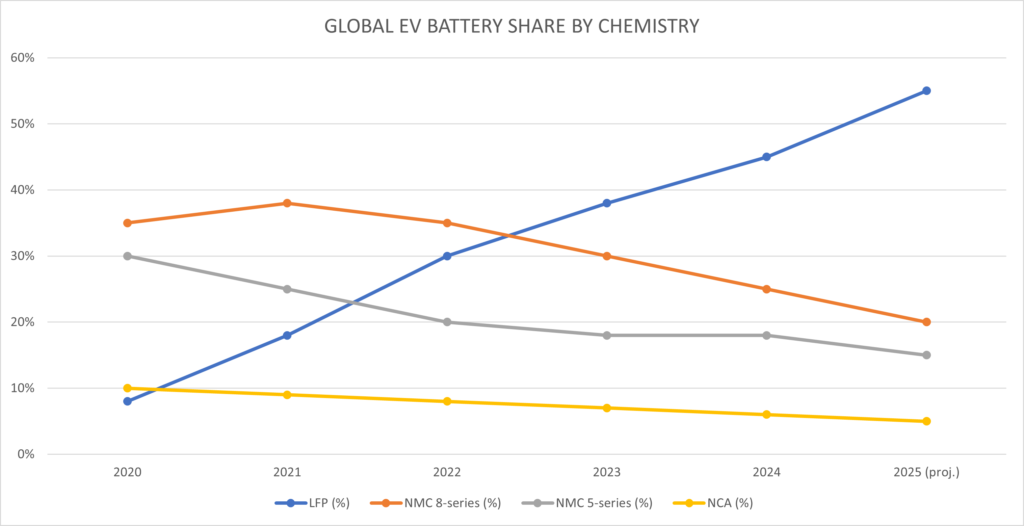
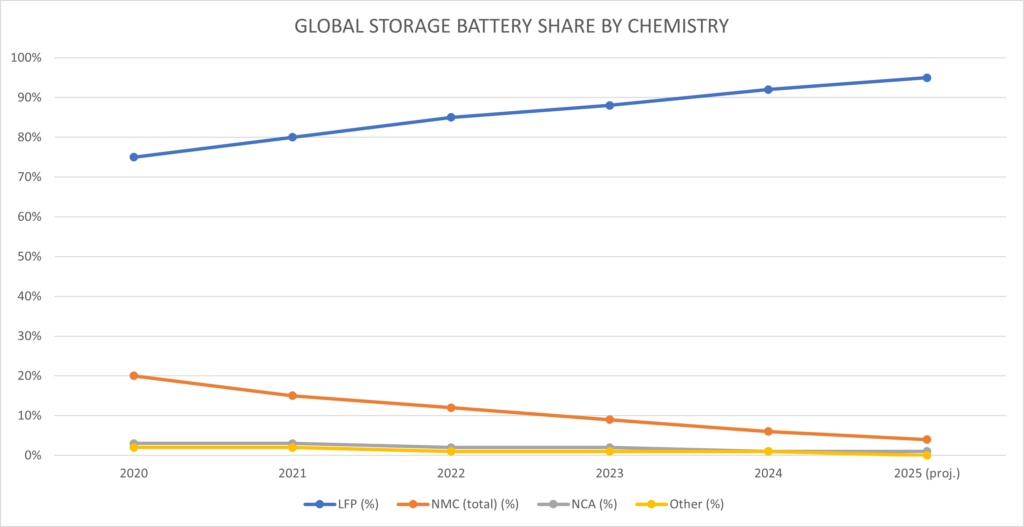
Meanwhile, in the energy storage sector, LFP’s dominance is even more pronounced, holding an estimated 85–90%+ global market share, driven by its unmatched combination of safety, cost efficiency, and long service life.
LFP has effectively become the default choice for affordable EVs because it aligns perfectly with real-world priorities:
For mass-market EV adoption, these factors often matter more than achieving the absolute highest energy density.
Very likely—but not guaranteed.
Battery innovation is accelerating across multiple fronts. Several alternative technologies are advancing rapidly, including:
Each chemistry brings unique strengths, and no single solution fits every market or application.
Ultimately, the future of EV batteries comes down to balancing cost, safety, lifespan, energy density, and temperature performance.
LFP is exceptionally well-positioned to dominate affordable electric vehicles for years to come—but a diversified battery landscape is healthier for the industry as a whole. Different regions, vehicle types, and customer needs will continue to demand different trade-offs.
While one chemistry may lead, others will evolve alongside it, ensuring continuous innovation across the EV ecosystem.
LFP batteries have already reshaped the affordable EV market—and their influence is only growing. With rapid technological improvements, expanding adoption, and unmatched cost-performance balance, LFP is no longer just an alternative—it is becoming a cornerstone of mass EV adoption.
Whether it becomes the undisputed standard remains to be seen. But one thing is clear: the rise of LFP has permanently changed the rules of the EV battery game.
 by
by