How Does an Energy Storage System Work?
Energy storage systems (ESS) are transforming how we manage electricity, enabling a smarter and more efficient way to harness renewable energy. In this blog, we’ll...

As EVs gradually transform the way we travel, energy storage is also entering more homes and power systems. The core of how we generate, store, and use energy has shifted toward batteries.
And once batteries become central to our daily lives, knowing how to use and take care of them becomes essential. But here’s the problem: Many people are still using old charging habits for a new battery chemistry. And that might be unnecessary — or even counterproductive.
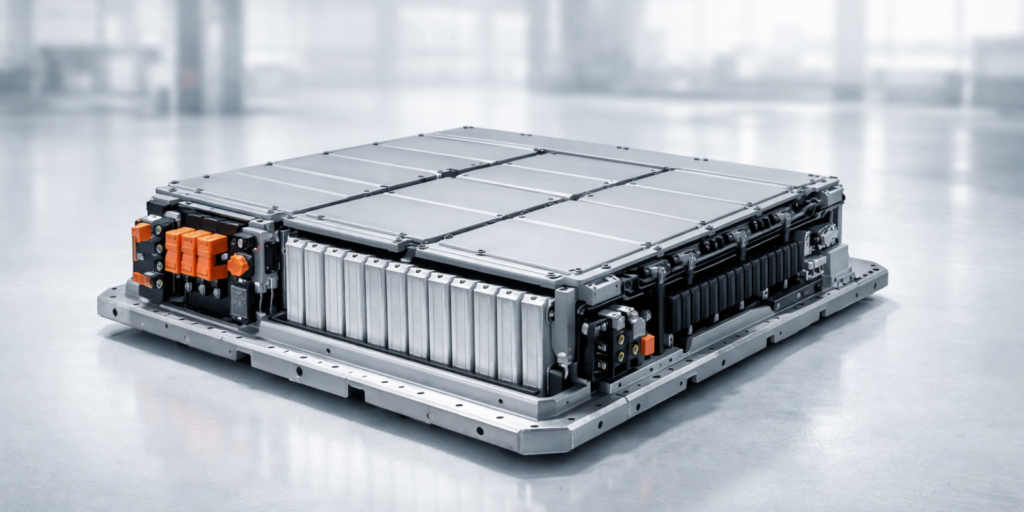
Four years ago, I bought an EV with an 80kWh NCM battery — the typical chemistry used in high-performance vehicles at the time.
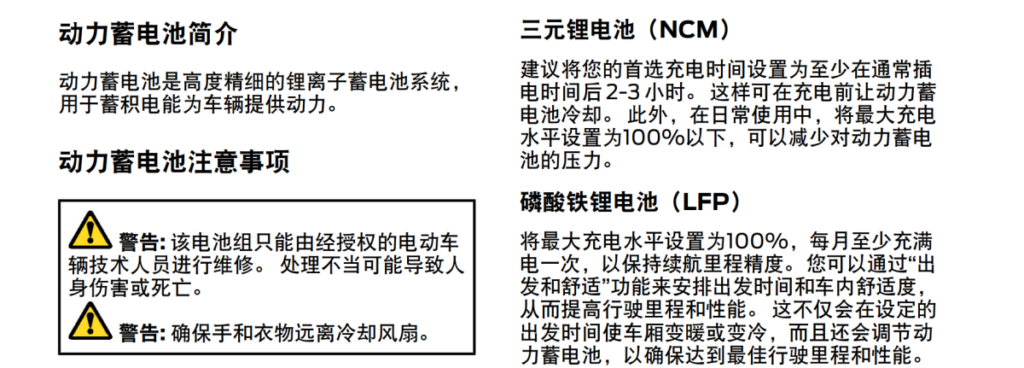
Like many other NCM-based models, the manufacturer recommended:
This became known as the 20–80% golden rule. Why? Because NCM (Nickel Cobalt Manganese) batteries experience:
For NCM chemistry, this rule absolutely makes sense.
It’s practical. It works. And it helps maximize battery lifespan.
At that time, most EVs used NCM batteries — so this habit became deeply ingrained in users.
Shortly after EV adoption accelerated, battery technology evolved rapidly. More manufacturers began switching to LFP (Lithium Iron Phosphate) batteries.
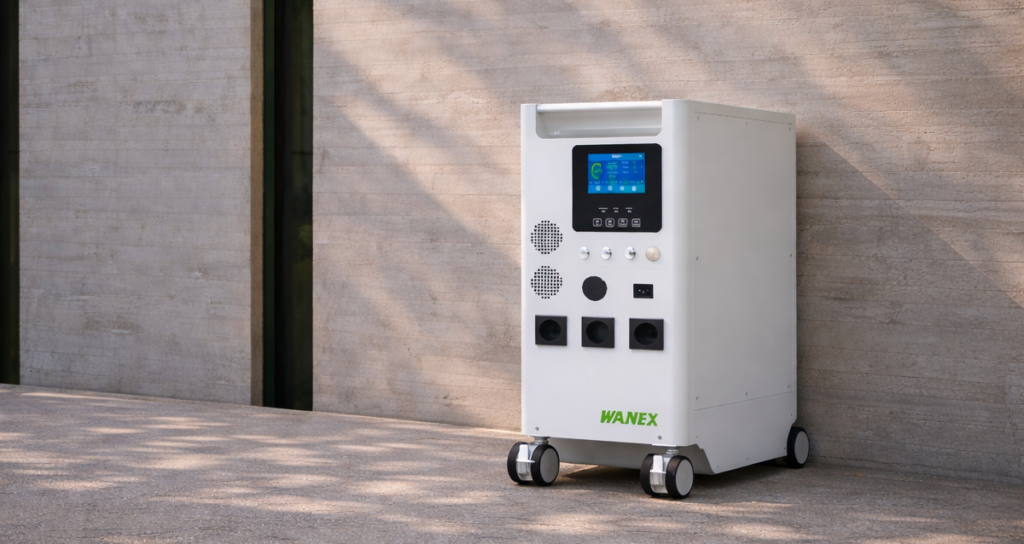
Today:
LFP is no longer the “budget option.” It has become mainstream.
And this is where things get interesting.
LFP chemistry is fundamentally different from NCM. It offers:
In simple terms:
LFP batteries are far more tolerant at 100% than NCM batteries.
In fact, something counterintuitive happens:
Regular charging to 100% can actually help.
Why?
Because it allows the Battery Management System (BMS) to:
That’s why many LFP user manuals recommend charging to 100% periodically.
Tesla, for example, even suggests charging LFP models to 100% daily.
That would have sounded almost “dangerous” in the NCM era.
But chemistry matters.
So what’s the right approach?
The honest answer is simple:
Follow your manufacturer’s guidance.
For most LFP users:
Unlike NCM, you are not “hurting” the battery by reaching full charge under normal conditions.
LFP batteries are designed for frequent cycling.
They are built to be used.
Limiting yourself to 80% unnecessarily means you’re simply leaving usable energy on the table.
This is another common concern.
Does DC fast charging damage LFP batteries?
It depends on system design — but generally, no.
Modern LFP systems use:
Occasional DC fast charging has almost no measurable impact on lifespan.
Even frequent fast charging causes only minimal additional degradation in well-designed systems.
Modern batteries are far tougher than most people think.
The fear often lingers from early-generation battery systems — but today’s packs are engineered differently.
Instead of obsessing over 80%, focus on what truly impacts longevity:
Temperature management and proper system design matter more than avoiding 100%.
LFP marks a friendlier era for batteries.
They are:
By following manufacturer guidance — especially for popular LFP platforms like Tesla’s — you get:
Without unnecessary restrictions.
Stop worrying about “charging wrong” like in the older NCM days.
Battery chemistry has evolved.
Embrace the shift.
Charge confidently.
And let the technology deliver what it was designed to do.
 by
by