How Does an Energy Storage System Work?
Energy storage systems (ESS) are transforming how we manage electricity, enabling a smarter and more efficient way to harness renewable energy. In this blog, we’ll...

As lithium-ion technology continues to evolve, LiFePO₄ (LFP) batteries have become one of the most widely used and trusted battery types. They are known for their high safety, long life, and excellent cost performance, making them popular in electric vehicles, energy storage systems, and many commercial applications.
This guide explains what LiFePO₄ batteries are, how they work, and why they are becoming the preferred choice across many industries.
1. What Is a LiFePO₄ Battery?
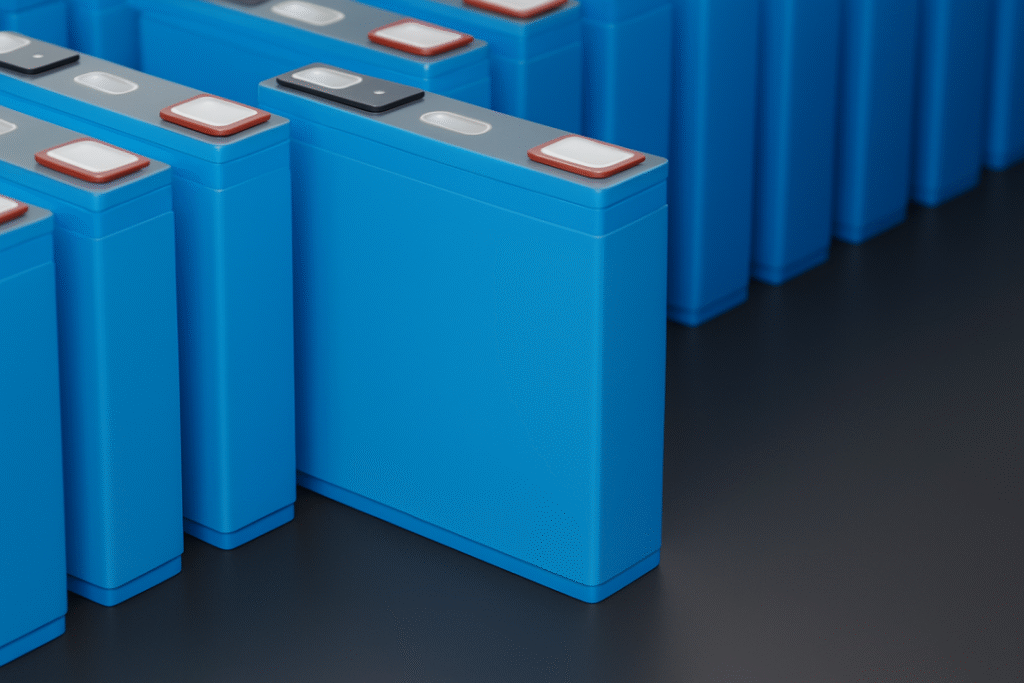
A LiFePO₄ battery, short for lithium iron phosphate battery, is a type of rechargeable lithium-ion battery. It uses:
A single LFP cell has a rated voltage of 3.2V, and its charging cut-off voltage is usually 3.6V–3.65V.
Because of its chemical stability and safety, LFP has become one of the most reliable lithium battery technologies available today.
2. How It Works (Simple Explanation)
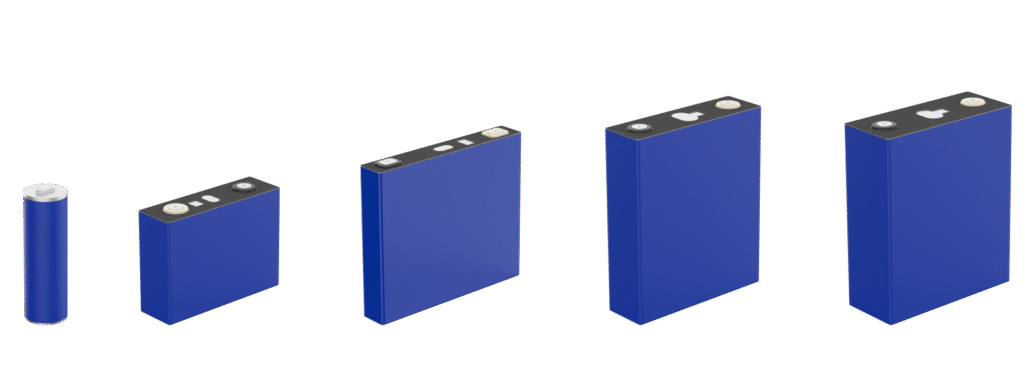
All lithium-ion batteries work by moving lithium ions between the cathode and anode. This movement creates electrical current.
During charging
During discharging
This simple and stable ion movement is what gives LFP its long cycle life and excellent safety.
3. Advantages of LiFePO₄ Batteries
✔ Long lifespan
LFP has an exceptionally stable olivine structure. Lithium ions can move in and out with minimal stress, allowing 2,000–6,000 charge cycles, far more than many other chemistries.
✔ Lower cost
LFP uses abundant materials such as iron and phosphate. No nickel or cobalt means lower cost and a more stable supply chain.
✔ High safety
LFP has the highest thermal stability among common lithium chemistries.
It is highly resistant to overheating and thermal runaway.
This makes it ideal for EVs, home storage, and commercial systems.
✔ More eco-friendly
LFP does not use cobalt or nickel, which reduces environmental and mining-related issues.
It contains fewer toxic substances and is easier to recycle.
Its long life also means fewer batteries need to be replaced, reducing overall waste.
4. Disadvantages of LiFePO₄ Batteries
✘ Lower energy density
As of 2025:
LFP stores less energy in the same volume or weight.
✘ Slightly slower charging
Both support fast charging, but NCM still has a small performance advantage.
✘ Poor low-temperature performance
Cold temperatures slow lithium-ion movement and increase internal resistance.
This makes LFP less efficient in cold climates compared to NCM.
5. More Eco-Friendly (Expanded)
LiFePO₄ batteries avoid the use of cobalt and nickel—two metals known for high environmental cost, supply chain risks, and complex mining processes. Instead, LFP uses stable, abundant materials: iron, phosphate, lithium, and carbon.
The chemistry also contains fewer toxic materials, making manufacturing safer.
At the end of its life, LFP is easier to recycle because its material structure is simpler and more stable.
Combined with a long cycle life, LFP creates significantly less environmental impact over its lifetime.
6. Common Applications
Because of its safety and durability, LFP is used in many applications:
Large Electric Vehicles
Light Electric Vehicles
Power Tools
Remote-Control Toys & Hobby Products
Energy Storage Systems
Backup Power & Safety Lighting
Battery Replacements
Medical and Portable Devices
7. LFP vs NCM: What’s the Difference?
Both battery types are useful, but they serve different needs.
NCM (Nickel-Cobalt-Manganese)
Best for:
Advantages:
LFP (Lithium Iron Phosphate)
Best for:
Advantages:
In short:
NCM = higher energy.
LFP = safer, cheaper, longer life.
8. Current Market Trends
LFP in EVs
More automakers now offer LFP packs, including Tesla, BYD, Ford, VW, and others.
LFP is increasingly used in standard-range EVs due to its safety and lower cost.
Energy Storage Boom
Home and grid energy storage systems heavily rely on LFP because:
Why Tesla, BYD, and CATL Promote LFP
LFP’s global share continues to rise rapidly.
9. Buying Guide Tips
What Specs to Check
The Importance of a Good BMS
A high-quality BMS should include:
How to Avoid Low-Quality Products
Key Certifications
Certifications ensure that the battery meets global safety and transport standards.
10. Summary / Conclusion
LiFePO₄ (LFP) batteries have become one of the most important battery technologies today. They offer an excellent balance of safety, cost, and durability, making them perfect for energy storage, commercial vehicles, and everyday applications. Although LFP has lower energy density than NCM, its strengths—especially long cycle life and high thermal stability—make it the preferred choice in many industries.
As major manufacturers continue to improve LFP technology, its role will only grow stronger in the global shift toward electrification and renewable energy.
 by
by