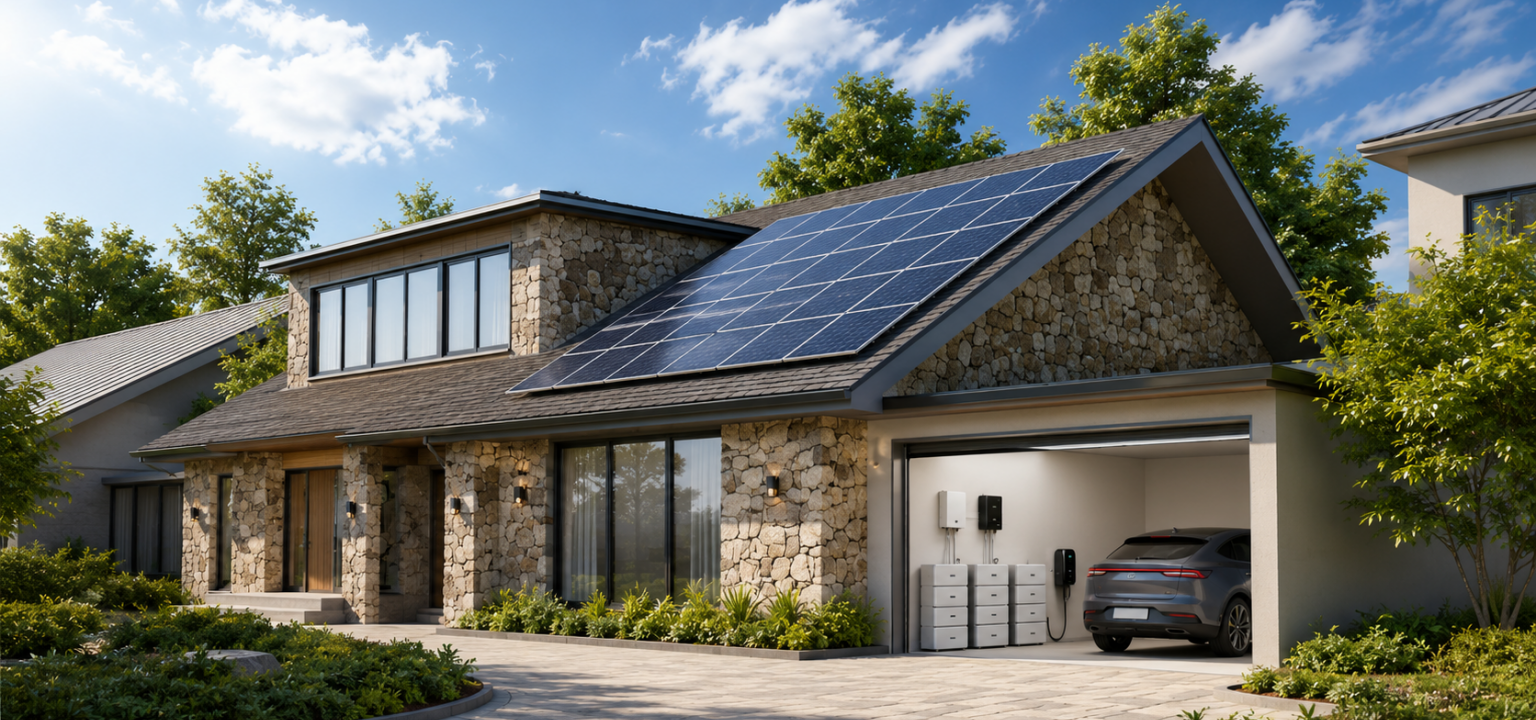
Why More Solar PV Systems Are Turning to Battery Storage?
Over the past decade, solar photovoltaic (PV) systems have spread across the globe — from suburban rooftops and factory floors to sprawling desert farms. Solar energy is no longer a novelty; it’s infrastructure. Yet even as panels became ubiquitous, a quiet limitation persisted: the sun doesn’t shine at night.
That’s changing. Increasingly, solar systems are being paired with battery storage — and the reasons go far deeper than simply keeping the lights on after sunset.
From Waste to Value
Solar energy is inherently intermittent. It peaks at noon, fades by evening, and disappears entirely overnight. For years, the standard solution was simple: export excess power to the grid. But many local grids have now reached saturation. When too many rooftop systems feed electricity into a small network simultaneously, voltage spikes and the grid simply can’t absorb more — making it harder to connect new systems or sell surplus energy at all.
At the same time, the economics of solar exports have shifted. Early adopters benefited from generous feed-in-tariffs (FITs) — long-term government contracts guaranteeing a fixed price for every kilowatt-hour sent to the grid. As those contracts expire across Europe and beyond, selling excess solar power back has become far less lucrative. Storing it in a battery and deploying it during peak-price evening hours now offers a better return. What was once a “nice-to-have” has quietly become the financially rational choice.
So why is clean solar energy now being stored in batteries?
The Need to Store Solar Energy
The simple answer is flexibility. Solar energy can only be produced when the sun shines, but our electricity demand continues after sunset. Without storage, excess daytime solar generation must either be fed into the grid or wasted if the grid cannot absorb it. In many regions, the local grid has reached a saturation point. When too many rooftop solar systems feed power back into a small network during the day, voltage levels rise and the grid cannot take more input. This makes it harder to connect new systems or export excess energy.
To address this imbalance, many utilities have introduced time-of-use tariffs, which encourage consumers to use electricity when it is abundant (and cheap) and avoid peak hours when energy supply is tight. For solar system owners, adding a battery allows them to store excess daytime power and use it or sell it later at higher rates—turning a potential waste into financial gain.
The End of Feed-in-Tariffs and the Rise of Self-Consumption
When solar adoption first took off, many countries offered feed-in-tariffs (FITs)—long-term contracts (typically 5–20 years) guaranteeing a fixed price for solar power exported to the grid. These incentives helped accelerate installation rates.
However, as those contracts expire, selling excess solar power back to the grid is becoming far less profitable. Instead, storing it in a battery and using it during peak tariff periods offers a better financial return. Batteries thus move from a “nice-to-have” to a central part of the modern solar system.
Distributed Energy for Emerging Economies
In developing countries, the story is slightly different but equally compelling. Rapidly growing energy demand, combined with lagging infrastructure and transmission capacity, has led to frequent power cuts—especially in parts of Southeast Asia.
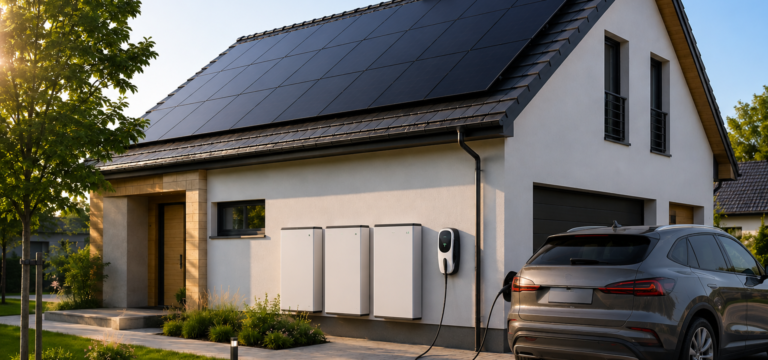
Here, distributed generation and storage—local solar plus battery systems—make perfect sense. They provide a stable and independent power source for homes, factories, and communities, reducing reliance on unstable grids and fossil fuels.
Powering the AI Revolution
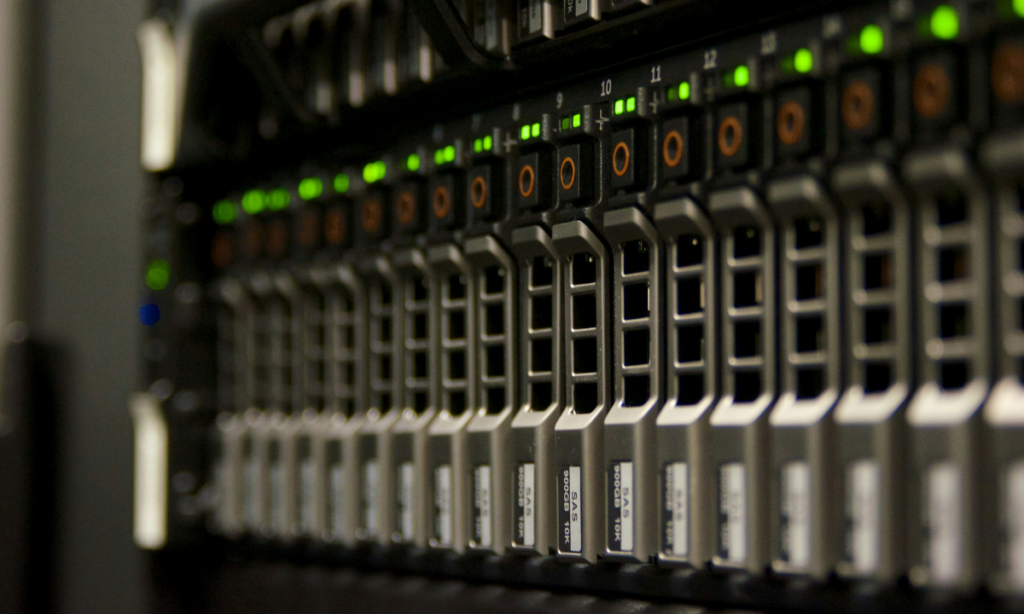
The global race to advance artificial intelligence (AI) is driving an unprecedented surge in energy demand. AI data centers — often called “AI factories” — require massive amounts of electricity to power their high-performance chips. Solar PV systems, paired with battery storage, are emerging as a sustainable solution to meet this growing demand. Batteries provide a stable supply of clean energy, even during non-solar hours, making them vital to sustaining the energy-hungry AI revolution.
The Future of Solar and Battery Storage
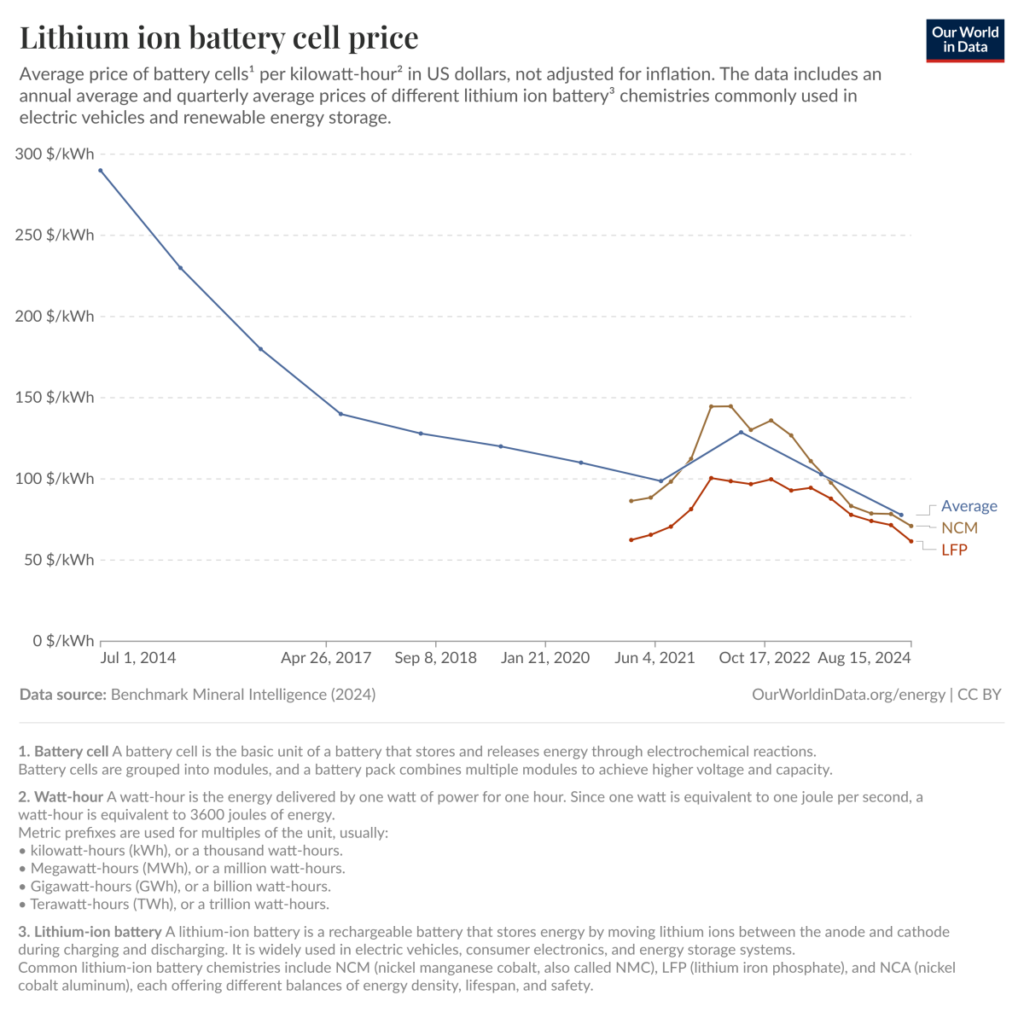
The integration of battery storage with solar PV systems is more than just a trend — it marks a transformation in how we generate, store, and use energy. As battery technology becomes more affordable through economies of scale, solar energy is evolving into a dependable, round-the-clock power source.
From overcoming grid limitations and optimizing time-of-use tariffs to ensuring energy security in developing regions and powering the AI-driven world, battery storage is unlocking the full potential of solar PV systems.
As technology advances and costs continue to fall, the adoption of solar-plus-storage solutions will accelerate further. For homeowners, businesses, and entire communities, this combination offers not only environmental benefits but also greater financial and operational resilience.
The solar revolution is far from over — it’s entering a smarter, more powerful era.